How to Choose the Right Portable Crane for Your Needs?

Choosing the right Portable Crane begins with understanding the job, not the catalogue photograph. A workshop lifting a 300-kilogram motor needs different equipment from a construction team positioning steel beams. Load weight, lifting height, reach, working radius, and available floor space all influence the decision. Even a small change in reach can reduce lifting capacity.

Experience shows that portability is useful only when movement remains controlled. Check wheel quality, frame stability, brake performance, and the crane’s folded dimensions. Measure doorways and storage areas before ordering. A crane that cannot pass through a narrow entrance is not a practical solution. It is an expensive obstacle.

Safety data must come from reliable sources. Review the manufacturer’s rated capacity chart, operating instructions, inspection guidance, and warranty terms. Never judge capacity by appearance. A compact crane may look strong but perform poorly at maximum extension. Confirm the required power source, control system, hook design, and compatible accessories. Consider operator training as part of the equipment choice, not an optional extra.

Small details matter.

This guide will compare common Portable Crane types and explain where each design works best. It will examine manual, electric, hydraulic, folding, and adjustable models. The discussion will also cover site conditions, maintenance demands, transport needs, and total ownership cost. Some recommendations may seem obvious, yet real workplaces often overlook them. Rechecking assumptions is worthwhile, especially when lifting occurs near people, machinery, or uneven surfaces. The safest choice is usually the crane that matches the complete task, not merely the highest advertised capacity.

How to Choose the Right Portable Crane for Your Needs?

Define the Load, Reach, and Lifting Conditions

How to Choose the Right Portable Crane for Your Needs?

Define the Load, Reach, and Lifting Conditions

Start with the load, not the crane. Record the item’s weight, dimensions, center of gravity, and lifting points. Add the weight of slings, hooks, spreader bars, and other attachments. A 500-kilogram machine may create a higher effective load when its center shifts during lifting. It can also swing unexpectedly. Use verified measurements instead of estimates. Guesswork feels fast, but it often causes expensive mistakes.

Reach determines practical lifting capacity. Check the required horizontal distance, lifting height, and available headroom. Many portable cranes handle less weight as the boom extends farther. Read the complete load chart, not only the maximum rating. Mark the planned setup area on the floor. Confirm its strength, levelness, and clearance from doors, pipes, vehicles, and people. A small movement can change the load angle.

Lifting conditions deserve equal attention. Indoor work may require compact dimensions and low noise. Outdoor work introduces wind, uneven ground, rain, and limited visibility. Consider how the crane will move, lock, and remain stable during loading. Inspect wheels, pins, brakes, welds, and hydraulic components before use. Keep the operator’s view clear. If the load is unusual or the setup is tight, ask a qualified lifting engineer to review the plan. That extra review may seem cautious, but one overlooked detail can weaken an otherwise sound lift.

Compare Portable Crane Types and Mobility Options

How to Choose the Right Portable Crane for Your Needs?

Portable cranes differ mainly in lifting design and movement. A shop crane suits engine parts, pumps, and maintenance work on smooth floors. A portable gantry crane offers a wider lifting area and adjustable height. It works well over workstations, pallets, or machinery. For rougher outdoor surfaces, a compact crawler crane may provide better stability. However, it usually needs more setup space and operator training.

Mobility should match the working environment. Swivel casters allow tight turning inside workshops, while locking casters help prevent unwanted movement during lifting. Pneumatic wheels handle uneven ground better, but they can affect stability and require regular pressure checks. Some cranes move only when unloaded. That limitation is easy to overlook. Always compare the rated load, boom position, lifting height, folded dimensions, and floor capacity. A 1,000-kilogram rating may drop sharply when the boom extends fully.

Tips: Measure doorways, aisles, and storage areas before choosing. Check whether the crane fits beneath the lowest ceiling obstruction. Test the brakes and wheel locks on the actual floor surface. Keep the load centered, use approved lifting accessories, and follow the manufacturer’s load chart. A slightly smaller crane may be easier to control, but choosing too small can create repeated overload risks. The best option is not always the most mobile one.

How to Choose the Right Portable Crane for Your Needs?

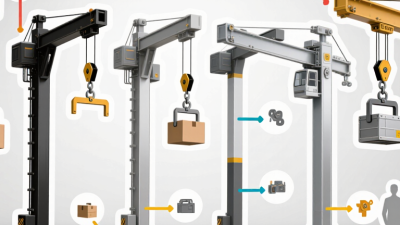
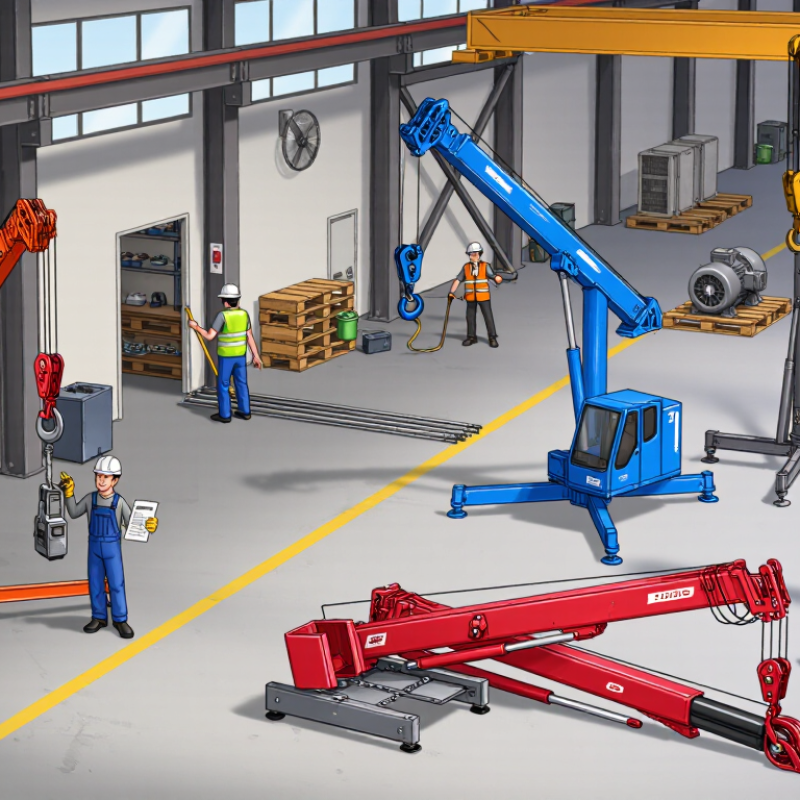
Compare representative lifting-capacity ranges and mobility options to match the crane with your workspace, load size, and transport requirements.

Portable gantry cranes are commonly selected for workshops and maintenance areas because they can be assembled, moved, and positioned around a load. Davit cranes suit confined spaces and fixed lifting points, while engine hoists are practical for vehicle and equipment maintenance. Mobile pick-and-carry cranes provide the highest capacity and site mobility but require more operating space and ground assessment. Capacity ranges are representative industry ranges; always verify the manufacturer’s rated load, reach, and operating conditions before selection.

Check Capacity, Stability, and Workspace Requirements

How to Choose the Right Portable Crane for Your Needs?

Capacity is the first filter, but it is not the whole decision. Check the load chart at the actual working radius, not only the crane’s maximum rating. A 500-kilogram load may exceed capacity when extended several metres. Include hooks, slings, spreader beams, and possible shock loading. The UK Health and Safety Executive recorded 51 construction worker deaths in Great Britain during 2023/24. Stability deserves equal attention. Review floor strength, wheel condition, outrigger placement, and the load centre. A level floor can still be weak. I recheck this calculation every time; a tidy spreadsheet can hide poor ground conditions.

Workspace restrictions often decide whether a portable crane is practical. Measure doorway width, turning space, ceiling height, and the full boom path. Leave clearance for workers and nearby equipment. OSHA requires a minimum 10-foot clearance from power lines up to 50 kV, unless specific controls apply. Mark that boundary physically. Do not rely on memory. Check whether the crane can enter, position, lift, and exit without awkward repositioning. That final movement is often overlooked.

Tips: Build a simple site sketch before hiring. Mark the load weight, radius, floor limits, overhead hazards, and escape routes. Ask a qualified lifting professional to verify the plan against the manufacturer’s load chart and relevant ASME or local standards. Keep the inspection record with the equipment. Small omissions become expensive quickly.

Evaluate Power Sources, Controls, and Safety Features

How to Choose the Right Portable Crane for Your Needs?

Power, controls, and safety features should guide every portable crane purchase. Electric models suit indoor work, especially where fumes and noise must remain low. Battery-powered units improve mobility, but cold temperatures can reduce runtime. Manual or hydraulic systems may work better where charging access is limited. Check rated capacity, duty cycle, floor strength, and lifting height together. A crane that lifts the load may still lack enough reach. That mistake is common.

Controls should feel predictable, even with gloves. Pendant controls, emergency stops, overload protection, and clear load indicators reduce operator uncertainty. OSHA safety materials cite an average of 44 work-related crane fatalities annually between 2003 and 2006. The figure is dated, but the warning remains relevant. ISO 9927 also emphasizes regular inspection and competent examination. Ask how faults are displayed and how quickly power can be isolated. A perfect setup is rare.

Tips: Test the crane with a representative load before purchase. Watch for frame movement, brake drift, awkward controls, and battery loss. Record findings. Then question your assumptions. Select a safety factor recommended by qualified engineers, not by guesswork. HSE guidance stresses planned lifting operations, suitable equipment, and trained personnel. Keep inspection records, follow the manufacturer’s instructions, and reassess the crane when loads, locations, or operators change.

Assess Transport, Setup, Maintenance, and Total Cost

How to Choose the Right Portable Crane for Your Needs?

Transport and setup should be measured, not guessed. Record doorway widths, floor ratings, vehicle limits, and available lifting points. A crane that fits the load may still fail your route. Measure the folded height beside a delivery van. Count setup steps and minutes with two operators.

MHI’s 2024 Annual Industry Report found that 83% of supply-chain professionals planned to increase technology investment. A load-monitoring system can support safer decisions, but it cannot replace trained judgment.

Maintenance affects availability and total cost. Compare purchase price, delivery, inspections, battery replacement, lubrication, spare parts, and operator training.

Check whether technicians can reach pins, wheels, brakes, and hydraulic connections without dismantling half the machine. The U.S. Bureau of Labor Statistics reported 5,283 fatal occupational injuries in 2023. That figure is not crane-specific, but it shows why inspection quality deserves budget protection. My early cost estimates often missed downtime. That mistake is expensive.