How to Choose the Right Overhead Crane?

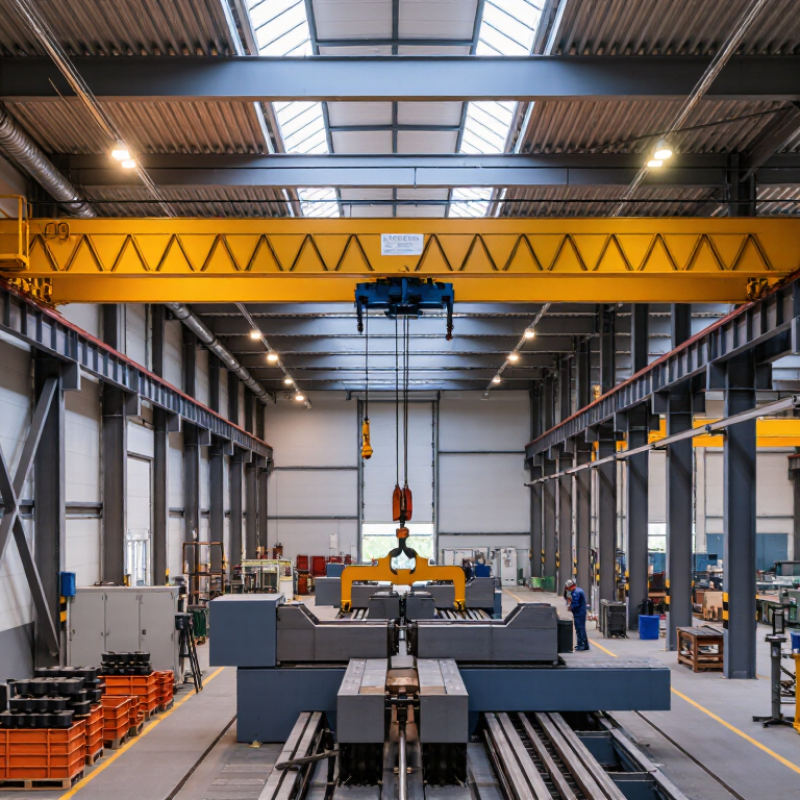
Choosing an Overhead Crane is less about selecting the largest machine and more about matching equipment to real working conditions. A 5-tonne load may sound straightforward, but the decision changes when it must travel across a long bay, clear a tall machine, or move repeatedly during each shift. Measure the heaviest load, lifting height, span, and expected operating frequency. Small details matter. A hook that cannot reach a loading area can disrupt an otherwise efficient workflow.

The building is part of the decision. Check runway capacity, available headroom, column spacing, and the condition of existing structures before comparing crane models. Consider dust, moisture, temperature, and the operator’s view of the load. Pendant controls may suit a compact workshop; a cab or radio control may work better across a large floor. There is no universal best choice. Even a careful estimate can miss a bottleneck, so confirm assumptions with qualified crane and structural professionals. Ask suppliers for clear specifications, inspection guidance, and maintenance requirements—not just a price. A lower initial cost may mean little if the crane does not fit the duty cycle or is difficult to service. This guide explains the practical questions to ask, the trade-offs to weigh, and the details worth verifying before purchase. Measure twice. The right choice should support safe, dependable lifting without adding needless complexity.
How to Choose the Right Overhead Crane?

Define the Load, Lift Height, and Operating Requirements

Choosing an overhead crane starts with a clear picture of the load, not just its stated weight. Include lifting beams, slings, magnets, and other attachments in the total. A 4-tonne machine may need a higher-capacity crane once its rigging is counted. Note the load’s shape and center of gravity, too. An uneven load can swing or tilt during travel. Small details matter.

Next, measure the lift height and the space around the crane. Record the distance from the floor to the highest point the load must reach. Then check the required hook approach, headroom, runway span, and nearby obstructions such as pipes or lights. The building’s available clearance can limit the crane design. It is easy to overlook the space needed above a load.

Operating requirements shape the choice just as much. Estimate lifts per hour, travel distance, shift length, and how precisely loads must be positioned. A crane used occasionally in a quiet workshop faces different demands from one serving a busy production line. Consider dust, heat, moisture, and operator visibility. Ask a qualified crane professional to review the measurements and duty estimates against the building structure and applicable safety standards. Early estimates are useful, but they may need revision when actual lifting patterns become clear.

Assess Building Layout, Span, Runway, and Available Headroom

How to Choose the Right Overhead Crane?

Assess Building Layout, Span, Runway, and Available Headroom

Start with the building, not the crane catalogue. Measure the clear span between columns, runway length, hook approach at each end, and the lowest obstruction: lights, ducts, sprinklers, or roof bracing. A few inches can change the usable lifting height. OSHA’s 29 CFR 1910.179 specifies 3 inches of overhead and 2 inches of lateral clearance between a crane and obstructions in covered U.S. installations. Treat these figures as a reference, not a universal design rule; local requirements and equipment details matter. Record dimensions at several points, since older buildings are rarely perfectly square.

Check runway beams and supporting columns for the crane’s wheel loads, not just its rated lifting capacity. A structural engineer should review the actual load data, including the hoist, trolley, bridge, and dynamic effects. Span affects bridge weight and deflection; runway length affects travel and end-stop placement. Headroom needs equal care: compare the hook’s highest position with the actual load height, sling length, and any lifting fixture. A 2-meter-tall machine may need substantially more than 2 meters of hook clearance. That detail is easy to miss.

Leave room for maintenance access and future changes, but avoid paying for unused capacity. Take photographs and mark measurements on a building plan before specifying equipment. I have seen tape-measure figures disagree with old drawings. Recheck them.

How to Choose the Right Overhead Crane?

Assess building layout, span, runway, and available headroom.

Illustrative site survey: available dimensions are compared with preliminary crane requirements as a percentage. Values above 100% indicate that the surveyed dimension exceeds the preliminary requirement; they do not confirm a final fit. Check building obstructions, hook approach, clearances, load capacity, and structural support with a qualified crane supplier or engineer.

Compare Overhead Crane Types and Configurations

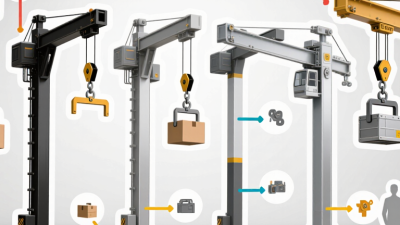
Overhead crane types differ in how they cover a workspace. A bridge crane travels along runway beams and suits broad, repeated lifting across a production bay. A gantry crane stands on legs, making it useful where building columns cannot support a runway. A jib crane serves a smaller work zone, such as one assembly station. For a long, narrow route, a monorail may be simpler. Space matters.

Configuration affects capacity and clearance. A single-girder bridge crane can be practical for lighter loads and limited headroom. A double-girder design may support heavier loads or provide more lifting height, but it can add cost and structural demands. Top-running cranes place the bridge above the runway; under-running models hang below it and may fit certain existing buildings. Measure the hook’s highest and lowest positions, not just the building height.

Match the choice to real work: load weight, span, lift frequency, travel distance, and access for maintenance. A machine moving steel coils all day faces different demands from one lifting occasional toolboxes. Check floor and building capacity with a qualified engineer before settling on a configuration. The neatest comparison chart can still miss a low pipe or a blocked service aisle. Small details matter. A little doubt is useful.

Select Capacity, Duty Class, Controls, and Safety Features

How to Choose the Right Overhead Crane?

Start with the heaviest planned lift, including the weight of any lifting attachment. Then consider how often the crane will handle that load. A crane moving light parts all day has different demands from one lifting near its rated capacity every few minutes. Duty class should reflect both load intensity and operating cycles.

A common planning mistake is assuming every shift will be average; real workloads rarely stay tidy. That detail matters.

Choose controls that suit the operator’s view of the load and travel path. A pendant can work well for clear, close-range tasks, while a cab or remote control may improve visibility in larger work areas. Check that operators can stop motion quickly and reach controls without stretching.

Safety features may include overload protection, travel limits, braking systems, and warning alarms. They help reduce risk, but they do not replace inspections or trained operation.

Tips: Write down typical and peak loads, lift frequency, travel distance, and any blind spots before comparing options. Ask a qualified crane professional to review the duty class and site conditions. If your estimates feel uncertain, measure a normal workweek first. That extra step can prevent a costly mismatch.

Review Installation, Maintenance, and Regulatory Requirements

How to Choose the Right Overhead Crane?

Review Installation, Maintenance, and Regulatory Requirements

Before choosing a crane, check the building and the work area. Measure the runway span, hook height, travel distance, and available headroom. Note columns, pipes, lighting, and other obstacles that could restrict movement. A concrete floor or support beam may need evaluation by a qualified engineer. Small gaps matter. Include the weight and shape of loads, not only their stated mass. Long materials can swing or require special lifting arrangements.

Maintenance access deserves equal attention. Confirm that technicians can reach inspection points, motors, brakes, and electrical equipment safely. Ask what routine checks and component replacements the crane will need, and whether suitable service support is available. A maintenance plan should match actual operating frequency and conditions, including dust, heat, or corrosive moisture. A tidy drawing can still overlook a blocked access route; review the layout with the people who will operate and maintain the crane.

Regulatory requirements vary by location and application. Before purchase, confirm applicable rules for design, installation, load testing, operator training, inspections, and recordkeeping with the relevant authority or a qualified safety professional. Request the documentation needed to verify rated capacity and commissioning. Keep records current. Requirements can change, and a supplier’s paperwork alone may not answer every site-specific question. A careful review now can prevent costly changes after installation.