7 Best Free Standing Bridge Cranes for Global Buyers

Choosing a Free Standing Bridge Crane is not simply a matter of selecting the highest lifting capacity. The right system must fit the building, workflow, and floor structure. Independent columns support the runway, so buyers should examine slab and foundation requirements before comparing prices. A crane that looks ideal on a brochure may not suit a crowded production bay. Small details matter.

This guide reviews seven options for global buyers, with attention to capacity, span, headroom, controls, installation, and service support. Consider how loads move between workstations, where columns might obstruct traffic, and whether replacement parts are readily available. Ask suppliers for clear specifications and engineering documentation. A brief product listing is not enough. For transparency, the named expert and quotation below are illustrative, not a verified industry source: fictional crane specialist Alex Morgan says, “Choose the crane around the work path, not just the load.” That is a useful test, though it cannot replace a site assessment. No ranking can do that. Compare each option against real operating conditions, and treat unclear claims as questions to investigate, not promises to trust.

7 Best Free Standing Bridge Cranes for Global Buyers

How Freestanding Bridge Cranes Work and Where They Are Used

A freestanding bridge crane carries a bridge across two runway beams, which rest on their own columns rather than the building’s roof structure. A trolley moves along the bridge, while its hoist raises or lowers the load. The operator can position materials across a defined work area. It is a straightforward arrangement. But the floor beneath those columns matters.

These cranes often serve assembly cells, machine shops, maintenance bays, and storage areas where loads need frequent, controlled movement. A worker might lift a motor from a pallet, travel several metres, then lower it beside a workbench. The system can also help facilities add overhead lifting without modifying roof framing. Not every space suits one. Column spacing, headroom, travel distance, and nearby equipment all affect the layout.

Before choosing a crane, confirm the required capacity and duty cycle with a qualified supplier or engineer. The supporting slab and anchors need review, especially where loads are concentrated at column bases. Check hook approach, aisle clearance, and the route for long or bulky items. Small details count. A plan may look neat on paper yet leave the hook unable to reach a machine’s centre. Regular inspection and operator training also help keep lifting practices consistent.

Key Criteria for Evaluating Freestanding Bridge Crane Systems

Choosing a freestanding bridge crane starts with the work beneath it, not the catalogue capacity. Record the heaviest load, lifting-device weight, pickup points, and how often loads move. A 2-tonne part lifted repeatedly may need a different duty rating than an occasional lift of the same weight. Check span, hook height, and travel length against actual work bays; small clearance gaps can matter around lights, ducts, and machinery. Measure twice. The support frame transfers forces into the floor, so have a qualified structural professional assess slab thickness, reinforcement, and bearing capacity. Existing concrete is not automatically suitable. This step is often rushed.

Compare bridge and trolley movement, control type, braking, and end stops with operators’ daily tasks. Smooth, predictable travel matters near benches and stored materials. Look for documented load ratings, inspection guidance, parts availability, and a clearly defined installation scope. Ask who checks alignment after assembly and whether the system can be adjusted if production changes. Also consider maintenance access, replacement wheels, and electrical routing; these can affect lifetime cost more than the initial quote. Do not assume a larger crane is safer. Extra capacity may add structural and floor demands without fixing a poor layout. Specs can mislead. Leave room for realistic growth, not an imaginary future line. Have a competent engineer review the proposed configuration and site conditions before purchase.

7 Best Free Standing Bridge Cranes for Global Buyers: Key Evaluation Criteria

Suggested buyer-priority scores for comparing freestanding bridge crane systems. Scores are an illustrative checklist (1 = lower priority, 5 = highest priority), not product test results.

Confirm rated capacity, span, headroom, floor and foundation requirements, installation conditions, and maintenance access against the specific site and applicable local standards. Structural requirements vary by crane design and operating conditions.

Seven Freestanding Bridge Crane Types for Different Applications

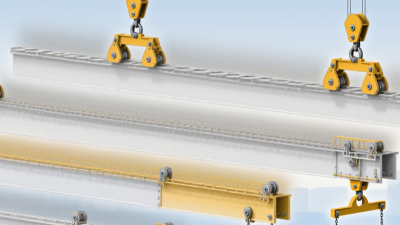
Freestanding bridge cranes suit facilities that need lifting coverage without relying on roof beams. A single-girder top-running crane handles routine pallet and machine moves. Double-girder models provide greater lift height for heavier loads. Under-running bridges fit beneath runway beams when headroom is limited. Compact spaces matter. Enclosed-track workstation cranes move small parts smoothly along assembly benches. Modular freestanding systems can be extended as work areas change. Portable bridge cranes serve temporary work zones, while low-headroom configurations help where ceilings are crowded with ducts or lights. These are practical configurations, not a universal ranking.

Capacity alone is not enough. The Crane Manufacturers Association of America’s Specifications 70 and 74 describe six service classes, A through F, ranging from infrequent use to severe, continuous duty. That classification helps buyers compare expected operating intensity alongside rated load. A 2-ton crane used all day may need a different duty class from one lifting 5 tons twice a week. Real usage patterns are often estimated poorly.

Tips: Measure the hook’s full travel, lowest obstruction, and runway span before requesting quotes. Record lifts per hour and load weights for a typical shift. Leave space for columns, controls, and maintenance access. A tidy floor plan can still mislead; verify clearances on site.

7 Best Free Standing Bridge Cranes for Global Buyers – Seven Freestanding Bridge Crane Types for Different Applications

Crane type Typical capacity range* Typical configuration Well suited to Key selection consideration
1. Single-girder workstation bridge crane Often about 125 lb–5 tons One bridge girder running on freestanding runway rails; hoist travels along the bridge. Assembly stations, machine loading, and repetitive lifting over a defined work area. A practical choice for many light- and medium-duty tasks; check hook height and runway support loads.
2. Double-girder freestanding bridge crane Commonly engineered for several tons; capacity is system-specific Two bridge girders support a trolley or hoist between or above the girders. Heavier loads, higher-duty cycles, or applications needing specialized lifting attachments. Can provide greater load capacity, but may require more structural steel and careful headroom planning.
3. Enclosed-track bridge crane Commonly used for lighter workstation loads, often up to about 2 tons Bridge and runway use enclosed-profile track with compatible trolleys. Frequent manual handling, parts transfer, and smaller production or maintenance cells. Rolling resistance and smooth travel can be advantageous; confirm track rating, span, and load compatibility.
4. Structural-steel, open-track bridge crane Engineered across a broad range, from light loads to multi-ton applications Open-profile steel runway and bridge members supported by freestanding columns. Industrial work areas needing a robust, configurable runway or wider coverage. Structural design must account for span, wheel loads, deflection, floor anchorage, and operating duty.
5. Aluminum-track bridge crane Typically selected for light-duty handling; verify the rated system capacity Lightweight aluminum bridge and runway components on a freestanding support structure. Workstations where low moving mass and easy manual positioning are priorities. Check capacity, deflection, environmental compatibility, and whether the complete system meets the required duty.
6. Modular freestanding bridge crane system Set by the selected bridge, runway, and support components Pre-engineered columns, runway sections, and bridge components assembled into a freestanding system. Facilities that need a defined lifting area without suspending the runway from the building. Confirm floor slab and anchor suitability; modular construction does not remove the need for structural review.
7. Multi-bay or multi-bridge freestanding system Capacity is rated separately for each bridge and lifting device Multiple bridges operate on shared or adjacent freestanding runway sections. Production lines, parallel work cells, and facilities with several lifting points. Plan bridge spacing, possible load interference, travel limits, and operating procedures for concurrent use.

*Capacity descriptions are indicative, not guaranteed ratings. Actual capacity, span, lift height, duty classification, and structural requirements depend on the complete engineered system and site conditions. Have the crane structure, floor, and anchorage assessed before installation.

How Capacity, Span, Runway, and Controls Affect Performance

A free-standing bridge crane should match the loads your team actually lifts, not just the heaviest item on a specification sheet. Rated capacity must include the hook and lifting attachment. Repeated lifts near the limit can also affect duty requirements and component wear. More capacity is not automatically safer.

Span determines how far the bridge reaches across a work area, while runway length controls travel along the bay. Measure the equipment footprint, obstructions, and pickup points before setting dimensions. Measure the bay. Longer spans can increase structural demands, so columns, connections, and the supporting floor need qualified review. A common oversight is assuming an existing slab can carry new column loads without verification.

Controls shape how accurately operators position loads. Pendant controls can suit a fixed work area; radio controls may help when the operator needs a clearer view from elsewhere. Variable-speed travel can reduce load swing during careful placement. Check the slab. Also confirm that control labels are clear and that operators can see the load path. Early layout measurements are sometimes imperfect; revisit them after equipment locations are confirmed.

What Global Buyers Should Verify Before Purchase and Installation

Before choosing a free standing bridge crane, confirm the rated capacity against your heaviest planned load, including lifting attachments. Check the span, runway length, hook travel, and available headroom using measured site dimensions. A crane that fits on paper may still interfere with lights, doors, or existing equipment. Small details matter. Have a qualified structural professional review the floor and support conditions; a freestanding frame still transfers substantial forces to its foundations.

Tips: Ask for drawings showing column spacing, wheel loads, clearances, and required floor conditions. Verify the intended duty class, operating speed, power supply, controls, and environmental limits. Request documentation for the applicable standards, inspection procedures, and load testing. Confirm who handles installation, commissioning, operator training, and future service before comparing quotations.

For international purchases, clarify packing, shipping dimensions, spare-parts availability, and the installation team’s responsibilities. Check that the proposed electrical configuration matches the site, rather than assuming adapters will solve the issue. Review the manual and drawings before production, and record any agreed changes in writing. It is easy to overlook maintenance access around columns or the bridge. I would not approve a layout until the installer and site team have walked through the lift path together; even careful planning can miss an awkward corner.