7 Best Portable Cranes for Global Buyers
Choosing the right Portable Crane can reshape how teams handle lifting in workshops, warehouses, construction sites, and remote projects. Global buyers face a crowded market, with compact frames, folding designs, electric hoists, and manually operated models competing for attention. A low purchase price may look attractive. It may not remain economical after shipping, spare parts, training, and maintenance are considered. This guide examines seven portable cranes that deserve careful attention. Each option is assessed through practical factors, including rated capacity, working height, footprint, mobility, control systems, assembly time, and documented safety features. No single crane fits every site.
Real-world use matters. A crane that rolls smoothly across a concrete floor may struggle on gravel or uneven ground. A model that lifts 1,000 kilograms may require far more clearance than a product page suggests. Buyers should verify load charts, materials, weld quality, braking performance, emergency controls, and supplier support before ordering. Regional power standards and transport dimensions also affect the final choice. Product claims should be checked against manuals, test records, and independent reviews where available. Some specifications remain difficult to compare. That is worth admitting. This guide avoids treating rankings as absolute. Instead, it highlights where each crane performs well, where compromises appear, and which buyer profile may benefit most. The goal is practical confidence, not exaggerated certainty. Before purchase, consult qualified lifting professionals and follow applicable workplace requirements. Used carefully, the right portable solution can turn a congested work area into a safer, more flexible lifting zone.
What Portable Cranes Are and How They Serve Global Buyers
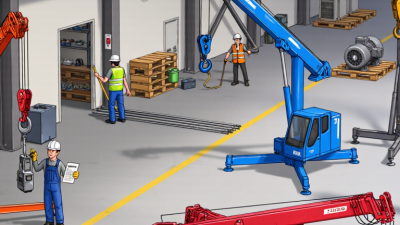
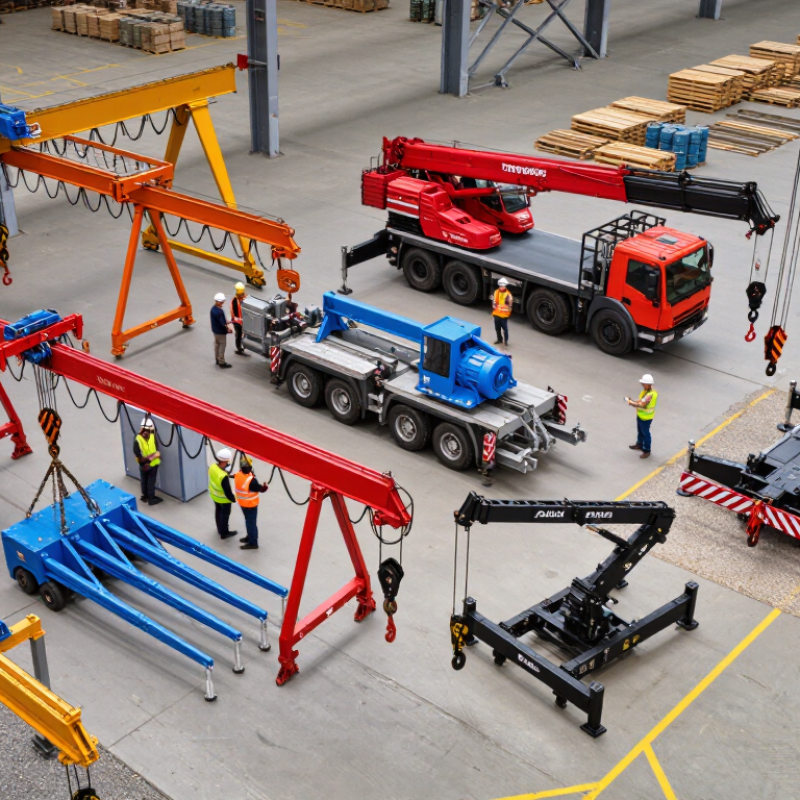
Portable cranes are lifting machines designed for relocation between work areas. They may include folding cranes, mobile gantry cranes, mini crawler cranes, and trailer-mounted units. Unlike fixed lifting systems, they need limited installation time and can serve workshops, warehouses, construction sites, and remote facilities. Global buyers often value compact transport dimensions, adjustable lifting height, and simple power options. A crane that fits inside a shipping container can reduce handling delays. Small details matter.
Practical evaluations show that rated capacity alone is not enough. Buyers should examine load charts, working radius, ground pressure, control response, and emergency stopping systems. A 2-ton crane may lift safely near its base but lose capacity at full reach. That difference is easy to overlook. Clear manuals, inspection records, spare-part access, and operator training also indicate a dependable supplier. Still, specifications can be misunderstood across languages and measurement systems. Confirm every figure in writing.
Tips: Measure doorways, truck beds, and storage spaces before ordering. Check the crane’s weight with batteries, attachments, and counterweights installed. Ask for a realistic lifting diagram, not only the maximum capacity. Review local electrical requirements and site conditions. Test controls at low speed first. Never treat a portable crane as automatically safer because it is smaller.
7 Best Portable Cranes for Global Buyers
What Portable Cranes Are and How They Serve Global Buyers
Portable cranes are lifting systems designed for relocation between job sites, workshops, warehouses, ports, and construction areas. The chart compares representative maximum rated capacities commonly associated with seven portable crane categories. Actual capacity depends on boom length, working radius, lifting height, ground conditions, configuration, and local safety regulations.
Key Factors for Comparing Portable Crane Performance and Safety
7 Best Portable Cranes for Global Buyers
When comparing portable cranes, lifting capacity is only the starting point. Check the rated load at the actual working radius, not just the maximum figure. A crane lifting 500 kilograms close to its mast may handle far less three meters away. Compare boom reach, lifting speed, duty cycle, and setup time. Folding gantry cranes suit workshops, while mini crawler cranes perform better on uneven outdoor ground. Aluminum gantries are lighter, but they may flex more under repeated loads.
Safety depends on details that photographs rarely show. Examine brake performance, emergency stops, overload protection, locking pins, and visible load charts. The base must remain stable on the intended surface. Measure doorway width, floor strength, storage height, and turning space before choosing a model. A compact crane can still become unsafe when its wheels cross a drain or a sloped threshold. Keep operators trained, and inspect hooks, wire ropes, chains, and hydraulic lines before each shift.
A useful comparison records measured results under similar conditions. Time the setup with two workers. Observe load sway during a slow lift. Check whether controls remain clear while wearing gloves. My comparison method is not perfect; weather, floor conditions, and operator skill can change results. That uncertainty matters. Ask for test documentation, maintenance guidance, and spare-part availability from the supplier. Good paperwork supports good decisions, but field checks reveal problems that specifications may hide.
Seven Portable Crane Options for Different Lifting Applications
Portable cranes serve very different lifting applications, so one design cannot fit every worksite. A folding shop crane suits workshops, garages, and maintenance rooms. It can lift engines, pumps, and compact machinery from low positions. A lightweight aluminum gantry works well indoors, especially where teams need adjustable height and easy transport. Its casters help movement, but uneven floors can reduce stability. A portable davit crane supports lifting over tanks, platforms, and access openings. It needs careful anchoring and enough clearance around the base.
A compact crawler crane is useful on rough ground and construction sites. Its tracked base spreads pressure better than small wheels. A truck-mounted portable crane supports field service, utility maintenance, and remote equipment handling. However, vehicle capacity, counterweight limits, and road rules require detailed checking.
A manual chain hoist with a portable frame offers a simple option for occasional lifting. It operates slowly. That can improve control, but it may frustrate teams with frequent loads. A vacuum lifting crane helps move smooth panels, glass, and metal sheets. Surface condition matters greatly, and dust can weaken the grip.
From practical inspections, capacity labels alone are not enough. Buyers should review load charts, working height, transport dimensions, brake design, and emergency controls. Local certification requirements differ across countries, so documentation must match the installation site. No crane is perfect. I have seen buyers prioritize low weight, then discover limited reach during real work. A realistic load test, trained operator, and scheduled inspection often reveal more than a polished specification sheet.
Regional Standards, Transport Needs, and Buyer Requirements
7 Best Portable Cranes for Global Buyers
Regional Standards, Transport Needs, and Buyer Requirements
Choosing a portable crane starts with the jobsite, not the catalog photograph. Seven practical options include folding cranes, mini crawler cranes, pick-and-carry cranes, truck-mounted cranes, portable gantry cranes, aluminum gantries, and compact warehouse cranes. Each design solves a different transport problem. A folding crane may fit inside a service van. A mini crawler crane can cross a narrow doorway and work on a reinforced slab. A truck-mounted unit reduces separate delivery equipment, but road dimensions may limit access.
Regional standards can change the buying decision. Check required safety markings, electrical specifications, lifting classifications, and inspection documents before ordering. Load charts should match the intended configuration, including boom length and counterweight. Local rules may also consider wind exposure, operator training, noise, and road transport permits. Do not assume one certificate satisfies every market. That assumption causes delays.
Buyer requirements should include rated capacity, working radius, folded dimensions, gross weight, power source, and spare-part access. Measure the container, gate, lift, and storage area. A crane that weighs 900 kilograms may still need a stronger floor than expected. Ask for test records and clear maintenance intervals. I have seen buyers focus on maximum capacity and overlook minimum hook height. That mistake is expensive. Sometimes, the smallest crane is not the most portable. Tires, setup time, ground pressure, and available technicians matter more than advertised lifting strength. Real conditions are rarely as clean as the specification sheet.
How to Select the Right Portable Crane for Your Operation
7 Best Portable Cranes for Global Buyers
How to Select the Right Portable Crane for Your Operation
Selecting a portable crane starts with the load, not the price. Record the maximum weight, lifting height, load radius, and daily lifting cycles. A 1-ton load at three meters feels very different from the same load at six meters. Consider seven options: mini crawler, truck-mounted, trailer-mounted, gantry, folding, rough-terrain, and electric workshop cranes. Each suits different ground conditions and transport limits.
Check the rated capacity at the actual working radius. Never rely only on the headline capacity. ISO 4301 crane classifications help match equipment duty to operating frequency. ILO’s Safety and Health at the Heart of the Future of Work report records 2.78 million work-related deaths annually. That figure makes load charts, emergency stops, and operator training practical priorities. Small details matter.
Power choice also affects deployment. Electric units suit indoor sites with stable power and low emissions. Hydraulic or diesel units offer greater outdoor flexibility. Research and Markets reports continued growth in the global crane market, driven by construction and infrastructure investment. Still, growth does not guarantee suitability. Check local voltage, spare-part access, wind limits, tire condition, and inspection requirements. Ask for test certificates and maintenance records. I would also calculate transport time, because an inexpensive crane that arrives late can become the costly choice.
Related Posts
-
How to Choose the Right Portable Crane for Your Needs?
-
What Are the 2026 Top Small Gantry Cranes?
-
How to Choose the Best Small Gantry Crane for Your Needs?
-
Who Are the Top China Portable Gantry Crane Suppliers?
-
7 Best Portable Gantry Crane Suppliers for Global Buyers
-
Innovative Solutions for Efficiently Utilizing Adjustable Gantry Cranes in Industrial Settings