2026 Best Lifting Beam for Safe Heavy Load Handling?
Choosing the 2026 best Lifting Beam requires more than comparing prices, photos, or advertised capacity. The correct beam must match the load weight, lifting points, span, headroom, and working environment. In real lifting operations, these details determine whether a steel coil remains stable or begins to rotate unexpectedly. Small errors matter.
This guide examines Lifting Beam designs through practical handling experience and engineering principles. It considers working load limits, load distribution, connection hardware, deflection, surface protection, and inspection access. It also reviews manufacturer documentation, traceability, testing evidence, and compatibility with cranes, hoists, shackles, and slings. A beam can appear strong while its end fittings, welds, or lifting lugs create the actual limitation. That point is easy to overlook.
Reliable selection also requires independent judgment. Engineers, qualified riggers, and site supervisors should confirm calculations against the actual lift plan and applicable regional requirements. We will compare common configurations, including fixed, adjustable, spreader-style, and modular beams. Their advantages can change with load geometry and available headroom. Not every impressive specification reflects better field performance.
No product is perfect. Some choices involve compromises between weight, flexibility, cost, and inspection effort. This article highlights those compromises instead of treating one model as universally superior. Readers should verify rated capacity, certification, maintenance history, and manufacturer guidance before use. Safe lifting depends on the complete system, not the beam alone. In practice, careful preparation remains the strongest feature.
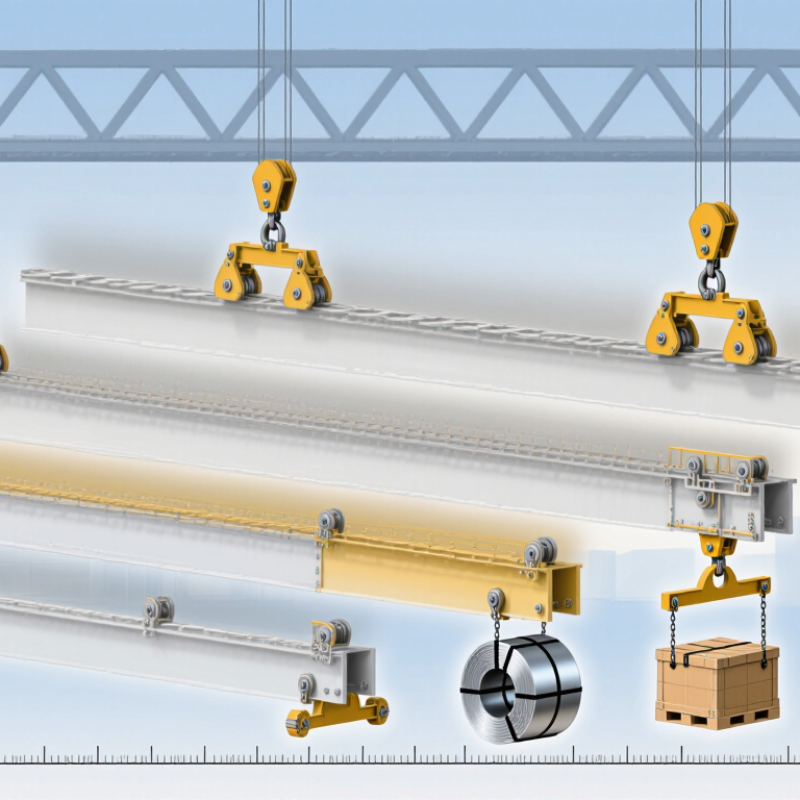
What Is a Lifting Beam and How Does It Support Heavy Loads?
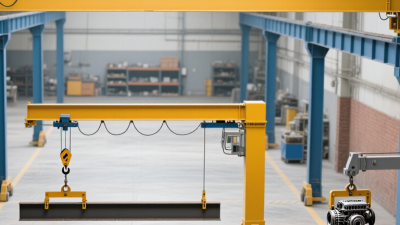
A lifting beam is a rigid horizontal member suspended from a crane or hoist. It supports heavy loads through two or more connection points. Unlike a single sling arrangement, it spreads lifting forces across the load’s length. This helps control bending, tilting, and unwanted movement during elevation.
The beam carries its working load through engineered bending resistance. Slings or shackles connect beneath the beam, while a central suspension point connects above it. This arrangement can keep fragile equipment level and reduce inward pressure on lifting points. It also improves clearance around tall, wide, or uneven loads.
Details matter. The working load limit must match the beam, lifting accessories, crane capacity, and connection hardware. The load’s center of gravity should sit correctly between the lower attachment points. Before use, inspect welds, pins, lifting eyes, labels, and visible distortion. A beam may look solid and still contain hidden damage.
In practical operations, poor sling alignment causes avoidable problems. Unequal lengths can make one connection carry more force than expected. A qualified engineer should verify the design, load path, and lifting plan for unusual loads. Operators should use controlled movements, avoid shock loading, and stop when the load shifts unexpectedly. Small oversights can become serious.
2026 Best Lifting Beam for Safe Heavy Load Handling?
A lifting beam is a structural spreader device suspended from a crane or hoist. It transfers the load through designated lifting points, helps control sling angles, and can distribute a heavy load more evenly. The chart shows the calculated equal share of a 100-metric-tonne load at different numbers of lifting points.
Calculation basis: load share per lifting point = total load ÷ number of equally loaded lifting points. Actual lifting-beam selection must also consider beam self-weight, dynamic forces, load balance, connection capacity, deflection, sling angle, and the applicable lifting-equipment standard.
How to Select the Right Lifting Beam for Your Load
Choosing the Right Lifting Beam for Your Load
Safe heavy-load handling starts with the load, not the beam catalogue.
Record the actual weight, length, lifting points, centre of gravity, and lifting angle. A beam rated for 10 tonnes may fail if the load shifts or the sling angle increases tension.
ASME BTH-1 uses design categories and service classes to match lifting devices with risk and operating frequency. Select a beam designed for the expected load spectrum, not only today’s heaviest lift. Check the working load limit, deflection, connection hardware, and available headroom. A spreader beam suits many balanced loads, while an equalizer beam can manage uneven reactions. The wrong choice can overload one attachment point.
Small details matter.
The International Labour Organization reported about 2.93 million work-related deaths worldwide in its 2023 estimates. Its data also identified hazardous exposures and workplace injuries as continuing global concerns. In the United States, OSHA requires employers to inspect lifting equipment and remove defective components from service. These requirements support a practical selection process: verify calculations, inspect welds and pins, and confirm certification before use.
Experienced riggers should review the lift plan, especially when the centre of gravity is uncertain. I would not trust a beam selected from weight alone. That shortcut looks efficient, but it leaves too many questions unanswered.
Safe Operating Procedures for Lifting Beam Applications
2026 Best Lifting Beam for Safe Heavy Load Handling?
Safe Operating Procedures for Lifting Beam Applications
A lifting beam is only as safe as its planning and use. Before each lift, a competent supervisor should confirm the beam’s rated capacity, inspection status, and identification records. Check shackles, slings, pins, welds, and lifting points for distortion, cracks, corrosion, or unusual wear. Small defects matter.
The load weight must be verified, not guessed. Confirm the center of gravity and select suitable connections for the load shape. Slings should sit evenly, without sharp bends or contact with unfinished edges. Keep the beam level during attachment. Establish a clear exclusion zone, then remove unnecessary personnel from the area. Nobody should stand beneath a suspended load.
Communication must remain simple and continuous. One designated signal person should guide the operator using agreed signals or reliable radio contact. Make a slow test lift several centimeters above the ground. Stop immediately if the beam tilts, the load shifts, or any connection loosens. Correct the problem before lifting higher. Never drag a suspended load or use sudden movements.
Weather and surrounding conditions also deserve attention. Wind can turn a large load into a swinging hazard, especially outdoors. I have seen teams focus heavily on capacity while overlooking nearby structures and uneven ground. That mistake is easy to repeat. After the operation, lower the load gently, inspect the equipment again, and record any damage or unusual behavior. Procedures should be reviewed when something feels wrong, even if no incident occurred.
Inspection, Maintenance, and Compliance Requirements
Choosing the best lifting beam in 2026 means proving safe performance after purchase. A beam should match the load, span, lifting points, and working environment. Its rated capacity must remain visible and readable. OSHA 1910.184 requires daily sling inspections before use, and the same discipline should guide below-the-hook equipment checks.
Look closely at welds, end plates, shackles, pins, hooks, and lifting lugs. Search for cracks, bent members, corrosion, stretched holes, and damaged identification plates. A competent person should complete documented periodic inspections under the applicable ASME B30.20 requirements. Inspection intervals must reflect usage, impact exposure, moisture, and previous defects. Not every beam needs the same schedule.
Small defects can become expensive failures.
Remove questionable equipment from service immediately. Do not repaint damage and hide it. Maintenance records should include the beam number, inspection date, findings, corrective work, and inspector’s qualification. The U.S. Bureau of Labor Statistics recorded 5,283 fatal occupational injuries in 2023, including 1,495 in transportation and material-moving occupations. That figure does not prove every incident involved lifting beams, but it shows why verification matters. In practice, paperwork is often incomplete. That is a weakness worth correcting. Before each lift, confirm the load path, balance, attachment security, and clear communication among workers.