Top Benefits of Using Forklift Jib for Material Handling?
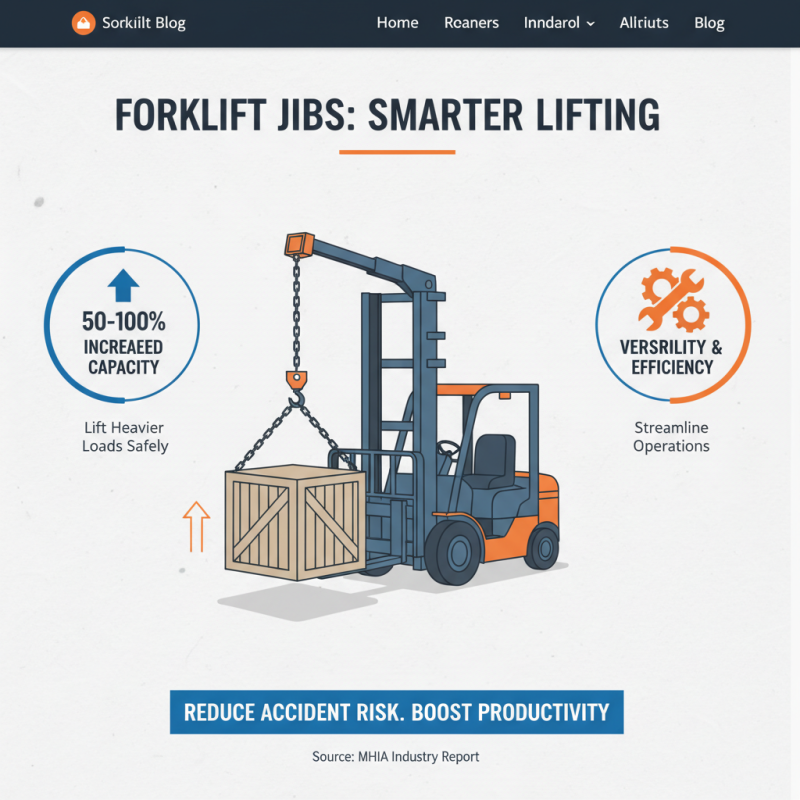
In today's fast-paced industrial environment, efficiency is key. The forklift jib presents a valuable solution for material handling challenges. It enhances the versatility of forklifts, allowing them to lift and transport heavy loads more safely and effectively. Utilizing a forklift jib can lead to significant time savings and increased productivity on the job site.
When implementing a forklift jib, proper training is essential. Operators must understand how to use this attachment safely. Each job site has unique demands, and the right usage can vary. However, many users overlook the importance of correctly positioning the jib, which can lead to safety hazards. Attention to detail is crucial for maximizing the benefits of this tool.
Incorporating a forklift jib not only streamlines operations but also minimizes risks. Nonetheless, frequent maintenance checks are necessary. Addressing wear and tear helps ensure the forklift jib operates optimally. With continued practice and evaluation of its use, operators can effectively leverage this equipment to boost overall productivity.
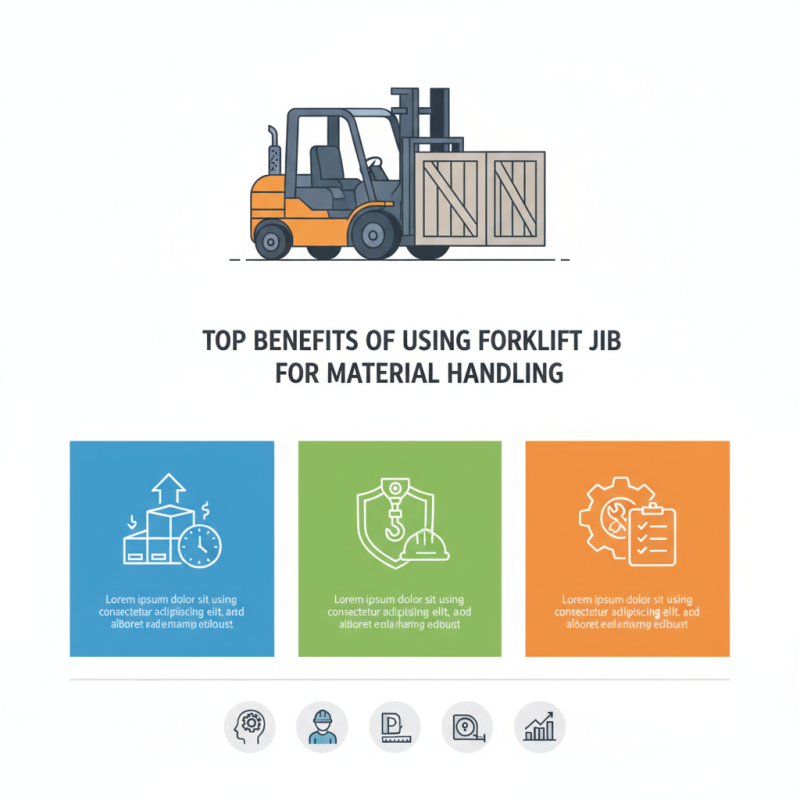
Top Benefits of Using Forklift Jib for Material Handling
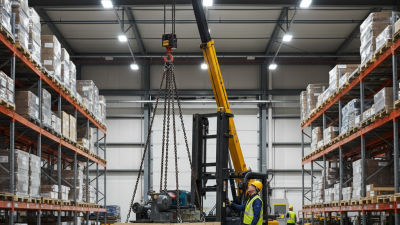
A forklift jib is an attachment that significantly enhances material handling capabilities. It allows forklifts to lift and move loads that are outside the standard fork reach. This flexibility is crucial in warehouses or construction sites. Workers can access hard-to-reach areas and handle awkward loads safely.
Using a forklift jib improves efficiency. Businesses can save time by transporting heavy or oversized materials without needing other equipment. For instance, lifting materials to higher shelves becomes simpler. However, operators must ensure proper training and safety measures. Misuse can lead to accidents or equipment damage.
The forklift jib also reduces manual labor. Workers can avoid risks associated with heavy lifting. Nevertheless, it’s vital to assess weight limits before lifting. Overloading can cause serious safety issues. Regular inspections of the jib and attachment points are essential. This practice ensures reliability and maintains operational safety.
Enhanced Reach for Handling Heavy and Bulky Materials
The enhanced reach of a forklift jib is crucial in material handling. It allows operators to lift materials that are both heavy and bulky in tight spaces. According to a report by the Material Handling Industry of America, 70% of accidents in warehouses occur when operators struggle to lift or maneuver large items. A jib can eliminate much of this risk by providing a safe and efficient means to handle awkward loads.
This attachment extends the forklift’s reach by placing the load further out from the machine. It can reach up to 10 feet in some configurations. Such versatility facilitates the stacking of materials in high places. Without this capability, operators might find themselves using ladders or other unsafe methods, which can lead to accidents. Research indicates that using fork-mounted attachments, like jibs, can increase operational efficiency by up to 30%.
However, it’s important to consider some limitations. Proper training is essential, as misuse can lead to instability. Operators must be aware of weight limits and maneuvering time. A poorly executed lift can result in accidents, hence the need for caution. Regular inspections of the jib are necessary to ensure safety standards are maintained. A focused approach is vital for maximizing the advantages of this tool while minimizing risks.
Improved Safety Protocols in Material Handling Operations
In today's material handling operations, safety is paramount. Forklift jibs enhance lifting capabilities and improve safety protocols. According to the Occupational Safety and Health Administration (OSHA), improper lifting procedures contribute to over 20% of warehouse injuries. Jibs allow for better load control, reducing the risk of accidents during transport.
One key benefit of using forklift jibs is the increased stability they provide. For instance, a study by the American National Standards Institute (ANSI) highlights that using jibs can decrease load shifting, leading to fewer mishaps. Each lift should be carefully calculated, as even a slight miscalculation can lead to tipping. This is a moment for reflection on your operational practices.
**Tip:** Regularly inspect your jib for wear and damage. Neglecting maintenance can turn a safety tool into a liability. Load limits should also be clearly marked. Understanding these limits ensures proper usage and maintains safety standards.
Proper training for personnel is essential. According to the National Safety Council, nearly 70% of workplace injuries can be prevented with effective training. Teaching workers about safe jib operations can foster a culture of safety. Engaging staff in discussions about safety recalls their importance in preventing injuries.
**Tip:** Encourage open communication about safety concerns. A safety-first mindset can lead to better practices and a more secure work environment.
Top Benefits of Using Forklift Jib for Material Handling - Improved Safety Protocols in Material Handling Operations
| Benefit |
Description |
Impact on Safety |
| Enhanced Load Stability |
Forklift jibs provide better support for loads, minimizing the risk of tipping during operation. |
Reduces incidents of load drop and injury to operators and bystanders. |
| Increased Reach |
Allows forklift operators to access loads at greater heights and lengths without compromising safety. |
Minimizes the need for operators to use unsafe methods for reaching high or distant loads. |
| Versatility in Handling |
Enables handling of various types of materials and shapes, improving operational workflow. |
Lowers the risk of accidents associated with improper handling of materials. |
| Improved Operator Visibility |
Forklift jibs can be designed to enhance visibility for operators, aiding in safer maneuvers. |
Increases awareness of surroundings, reducing collision risks. |
| Reduced Physical Strain |
Lifts heavy loads more efficiently, decreasing the physical effort required by operators. |
Helps prevent musculoskeletal injuries due to heavy lifting. |
Cost-Effectiveness of Using Forklift Jibs in Warehousing
Using a forklift jib for material handling can significantly enhance cost-efficiency in warehousing operations. According to industry reports, companies can reduce labor costs by up to 25% when using jibs. These attachments allow forklifts to lift heavier and more awkward loads without needing additional manpower or equipment. This reduces both time and expenses associated with logistics and material handling.
One common mistake is underestimating the significance of proper training. Operators should receive detailed instruction on using jibs. According to OSHA statistics, improper usage can lead to accidents and costly downtimes. Regular training ensures safety and increases productivity.
When planning to purchase or utilize a forklift jib, consider its compatibility with your existing equipment. Not all jibs are designed for every forklift model. Businesses should research specifications thoroughly. This can save you money and prevent operational disruptions. Always consult with experts before making a decision.
Conclusion
Using a forklift jib significantly enhances material handling operations by providing increased lifting capacity and versatility. With the ability to extend reach, forklift jibs facilitate the handling of heavy and bulky materials, making them invaluable in warehouses and construction sites. This not only streamlines the logistics of moving large items but also optimizes the workflow, allowing for improved efficiency in daily tasks.
Moreover, the implementation of forklift jibs contributes to enhanced safety protocols within material handling. By minimizing the risk of injuries associated with manual lifting, organizations can maintain a safer working environment. Additionally, the cost-effectiveness of using forklift jibs helps businesses maximize their resources, making them a smart investment in modern operations. By following best practices for maximizing forklift jib efficiency, companies can ensure they are getting the most out of this versatile tool.