What Is an Overhead Gantry Crane Used For?
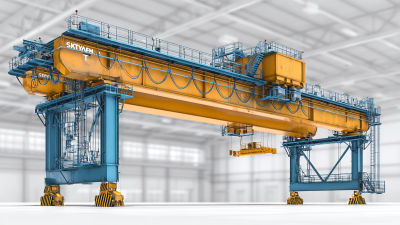
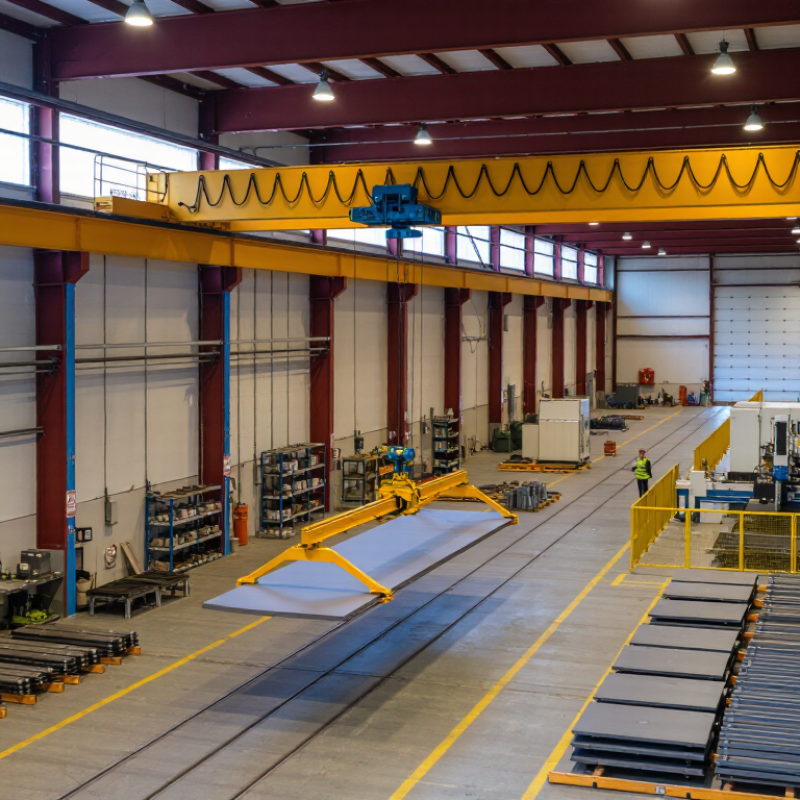
An Overhead Gantry Crane moves heavy loads across a defined work area, using a bridge supported by legs that travel on floor-level rails or wheels. In a fabrication shop, it can carry a steel plate from a storage bay to a cutting station. At a port or warehouse, larger systems can shift bulky cargo where floor space and access allow. The right crane depends on load weight, span, lift height, travel route, and operating conditions.
The U.S. Bureau of Labor Statistics recorded 5,283 fatal work injuries across all U.S. industries in 2023. That figure is not crane-specific, but it underscores why lifting plans, operator training, and equipment inspections matter. Industry guidance also treats the crane, runway, controls, and work area as one system—not isolated components. A clear travel path matters.
Crane-safety author David A. MacCollum has written extensively about safe crane and rigging practices. A practical takeaway from his work is to plan the lift, inspect equipment, and control the load’s path. This is a paraphrase, not a verified verbatim quotation; no source text was provided to confirm an exact sentence. That distinction matters. A useful guide to an Overhead Gantry Crane should explain what it handles, where it fits, and what operators must consider before a load leaves the ground. It should also admit that one crane cannot suit every site.
What an Overhead Gantry Crane Is and How It Works
What Is an Overhead Gantry Crane Used For?
What an Overhead Gantry Crane Is and How It Works
An overhead gantry crane lifts and moves heavy loads across a work area. Its bridge, or main horizontal beam, rests on legs that travel along floor-mounted rails or wheels. A trolley moves along the bridge, carrying a hoist that raises and lowers the load. That is the basic arrangement.
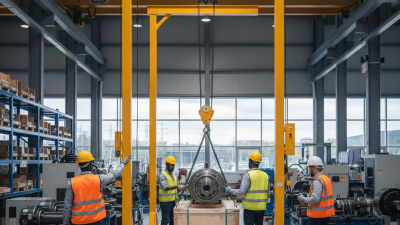
An operator positions the hoist above a load, attaches approved lifting gear, and raises it clear of the floor. The trolley then carries it sideways, while the crane itself moves along its runway. A steel plate might travel from a storage bay to a cutting station; a machine part could be placed on a workbench. Slow, controlled movements help limit swinging. Not quite effortless.
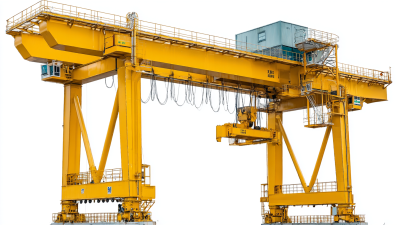
Unlike a bridge crane supported by building columns, a gantry crane carries its bridge on its own legs. This can suit workshops, yards, and loading areas where building support is limited. Some systems run on fixed rails; others use wheels on a prepared surface. The right arrangement depends on the floor, load, travel distance, and available clearance. Details matter. Before lifting, workers should check the crane’s rated capacity, inspect lifting gear, and keep people clear of the suspended load. Even a short move can become awkward when the load is off-center or the floor is uneven. A careful setup helps, though it cannot remove every risk.
What Is an Overhead Gantry Crane Used For?
Overhead and gantry cranes lift and move heavy loads across a work area. Overhead cranes run on elevated runway rails, while gantry cranes are supported by legs that travel on rails or wheels.
How to read this chart: The bars show indicative capacity ranges for common crane applications, not fixed limits. Actual capacity depends on the crane’s design, span, configuration, and operating conditions.
The Loads and Materials It Is Designed to Handle
An overhead gantry crane is designed to move heavy, awkward materials across a defined work area. Its bridge travels along runway rails, while a hoist lifts the load vertically. Common loads include steel plate, pipe bundles, castings, concrete components, machine parts, and maintenance equipment. A wide plate may hang from a spreader beam; a compact motor may need a balanced sling. The load shape matters as much as its weight.
Capacity is not one-size-fits-all. It depends on the crane’s rated load, span, hoist, supports, and duty cycle. OSHA’s 29 CFR 1910.179 requires the rated load to be marked on each side of an overhead crane and prohibits exceeding that rating. ASME B30.2-2022 covers overhead and gantry cranes, including equipment used to handle suspended loads. These standards guide safe selection and operation; the crane’s nameplate and engineering documents determine its actual limits. Small details count.
In practice, cranes suit repeated lifting where forklifts cannot safely carry long or oversized materials. They can transfer steel between fabrication bays or lower a heavy component onto a precise assembly point. Operators must account for the load’s center of gravity, attachment points, and possible swinging. A load that looks manageable can tilt when its weight is uneven. Clear floor space helps, but it does not replace a properly rated crane and rigging.
Common Industries and Worksites That Use Gantry Cranes
Gantry cranes serve industries that move heavy, bulky loads across open work areas. Their supporting legs travel on wheels or rails, so they can work without a building-mounted runway. At a shipyard, a crane may lift steel sections beside a vessel. In a precast concrete yard, it can move panels from casting beds to storage rows. These loads are awkward, not just heavy.
Manufacturing plants and fabrication shops use gantry cranes to position machine parts, steel beams, and welded assemblies. Warehouses and distribution yards may use them to handle containers or equipment that forklifts cannot safely manage. Space matters. A crane needs a clear travel path, and its load must remain within the rated capacity. The floor or rails also need to support the crane and its load.
Construction sites often use mobile gantry cranes where permanent lifting systems are impractical. Outdoor work brings extra variables: uneven ground, wind, and changing site layouts. Operators and supervisors should check the load, rigging, travel route, and nearby workers before each lift. In practice, the setup can take longer than expected. That is worth planning for, especially when a crane must move between work zones.
How Gantry Cranes Support Lifting and Material Movement
An overhead gantry crane lifts and moves heavy materials across a defined work area. Its bridge spans the load, while supporting legs travel on wheels or floor-mounted rails. This arrangement can suit workshops, warehouses, fabrication yards, and loading areas where a permanent overhead runway is impractical. It can move steel sections, machinery, or palletized components between workstations. The movement is controlled, but it still depends on clear routes and well-planned lifting points.
Gantry cranes support material movement by reducing repeated handling. A load can be raised, carried across a bay, and lowered near the next task. That saves effort. It can also help keep bulky items off busy floor routes. However, a crane does not fix a poor layout by itself. A route that looks clear on paper may become crowded once materials arrive, so operators need to reassess the work area as conditions change.
Tips: Confirm the crane’s rated capacity and check the load’s weight before lifting. Inspect slings and attachments, keep people clear of suspended loads, and move smoothly to limit swinging. Small errors add up. Use trained operators, follow site procedures, and pause if the load shifts or visibility is poor.