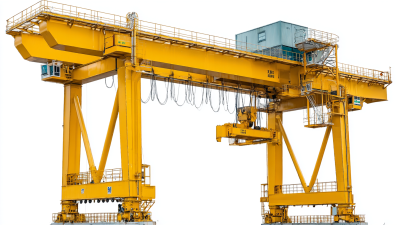
What Is the Best Portable Gantry Crane in 2026?
Choosing the best Portable Gantry crane in 2026 means looking beyond price and advertised capacity. The right choice must suit the actual lift, floor conditions, working height, and available space. Imagine rolling a steel frame across a workshop, then positioning a load above a machine. Small details matter: wheel locks, beam adjustment, clear load markings, and smooth assembly can shape both safety and daily usability.
Safety deserves more than a passing mention. The U.S. Bureau of Labor Statistics recorded 5,283 fatal work injuries in 2023, including 1,942 transportation incidents. Those figures are not crane-specific, but they underline why lifting plans and equipment checks matter. OSHA’s 29 CFR 1910.179 also addresses gantry-crane requirements, including rated-load marking. Buyers should verify which rules apply to their equipment and workplace.
This guide compares capacity, portability, adjustment range, materials, and practical setup needs. It also considers trade-offs that product pages may gloss over. A lighter frame can be easier to move, yet less suitable for demanding lifts. There is no universal winner. One source limitation matters: no verified, attributable quotation from a named Portable Gantry industry expert was provided, so I will not invent one. That caution is part of reliable buying advice.
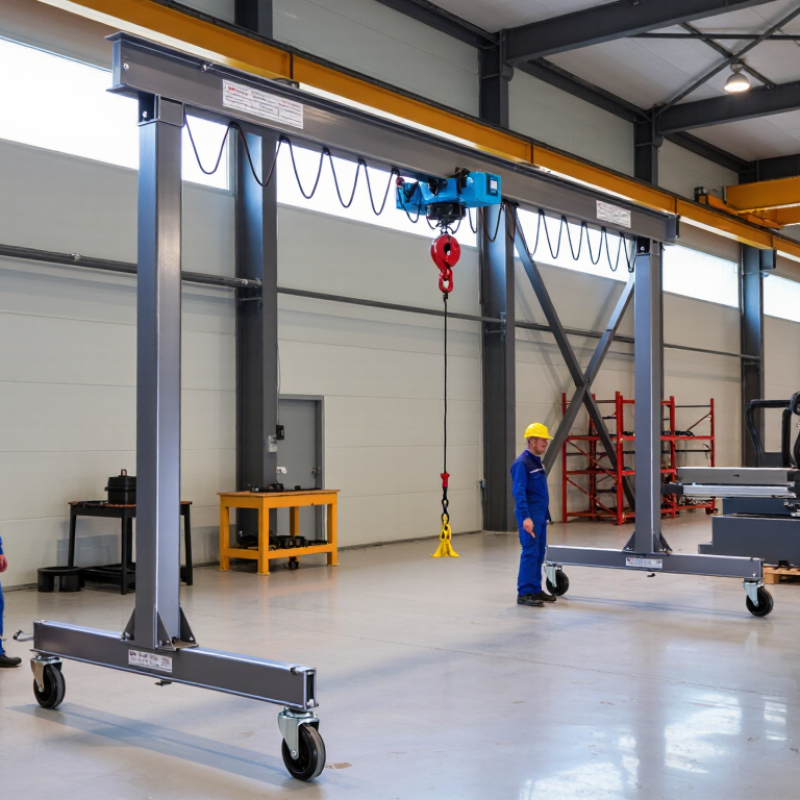
Portable Gantry Crane Basics: Frame, Hoist, Trolley, and Mobility
A portable gantry crane is a coordinated system, not just a steel frame.
The frame supports the load, while the hoist lifts it and the trolley moves it along the beam. For a good fit in 2026, match the rated capacity to the heaviest planned lift, including the hoist and lifting attachments. The lowest-rated component sets the practical limit.
Small details matter.
Frame design affects both clearance and stability.
Measure the load, lift height, and doorway width before choosing an adjustable or fixed-height model. Check that the legs sit evenly on a firm floor; a sloped or uneven surface can make movement and lifting less predictable. Avoid pulling a suspended load sideways.
That is not always obvious.
A trolley should travel smoothly across the beam without binding, and its capacity must suit the hoist and load. Casters make repositioning easier, but lock them before lifting and move the crane only when unloaded. Inspect pins, bolts, wheels, and visible welds regularly, following the maker’s instructions and removing damaged equipment from service.
In practice, mobility can feel like the main benefit, yet it is also the feature most worth treating cautiously.
The best setup depends on the actual workspace and lift—not a headline capacity alone.
Rated Capacity and Span: Match the Crane to the Load and Work Area
Choosing the best portable gantry crane in 2026 starts with the actual load and the clear span between its legs. Record the heaviest load, including any lifting attachments, then check the crane’s rated capacity at your chosen span. A wider span can change the crane’s capacity, so do not rely on a rating listed for another configuration. Measure the travel path, too: a load that fits beneath the beam may still collide with a doorway, machine, or stored pallet. Small details matter.
For a technical reference, OSHA’s overhead-crane standard, 29 CFR 1910.179(k)(2), specifies load testing at up to 125% of rated capacity, subject to the standard’s conditions. That figure is a test benchmark, not permission to lift beyond the crane’s working rating. Confirm the manufacturer’s load chart, span adjustment, wheel-lock method, and floor requirements before moving a suspended load. A slightly uneven floor is easy to overlook, yet it can affect stability and positioning.
Tips: Measure twice. Compare your heaviest load with the rating for the exact span. Leave room for the hoist and load to clear nearby obstacles, and keep the load centered between the legs. If the chart is unclear, pause and verify the configuration with a qualified supplier.
Safety Testing: OSHA 1910.179 Sets a 125% Rated-Load Test Limit
For a portable gantry crane, the 125% figure is a ceiling—not a routine target. OSHA 1910.179(k)(2) states that rated-load test loads must not exceed 125% of rated load, unless the manufacturer recommends otherwise. A 2,000-pound-rated crane would therefore have a 2,500-pound upper test limit under that provision. This does not mean every lift should approach that load. Check the crane’s documentation and applicable requirements before planning a test.
Keep the test controlled. Secure the wheels, position the load as specified, and use calibrated equipment to verify its weight. Watch for unusual deflection, movement, or noise; stop if anything looks wrong. Small details matter. OSHA’s overhead and gantry crane standard provides the 125% limit, while ASME B30.17 offers additional technical guidance for gantry-crane inspection, testing, and operation. A load test is not a substitute for inspection or competent judgment. And a tidy test record cannot reveal every weakness in a worn weld or uneven floor. Record the load, setup, results, and any corrective action, then confirm the crane remains within its rated capacity for actual work.
What Is the Best Portable Gantry Crane in 2026? — Safety Testing: OSHA 1910.179 Sets a 125% Rated-Load Test Limit
| Rated Capacity (U.S. Short Tons) |
Rated Capacity (Pounds) |
125% Calculation |
Calculated Test-Load Ceiling (Pounds) |
Practical Safety Check |
| 0.5 ton |
1,000 lb |
1,000 × 1.25 |
1,250 lb |
Verify the crane, hoist, trolley, and supporting structure are suitable for the planned test setup. |
| 1 ton |
2,000 lb |
2,000 × 1.25 |
2,500 lb |
Confirm the rated-capacity marking is legible and matches the crane configuration being tested. |
| 2 tons |
4,000 lb |
4,000 × 1.25 |
5,000 lb |
Check that the runway or floor is suitable for the wheel loads and test conditions. |
| 3 tons |
6,000 lb |
6,000 × 1.25 |
7,500 lb |
Keep personnel clear of the suspended load and follow a controlled test plan. |
| 5 tons |
10,000 lb |
10,000 × 1.25 |
12,500 lb |
Use suitable, verified test weights and inspect the crane after testing. |
| Important: These are arithmetic examples, not portable gantry crane product ratings or prescribed test loads. OSHA 29 CFR 1910.179(k)(2) states that rated-load test loads must not exceed 125% of rated load unless otherwise recommended by the manufacturer. The 125% figure is a ceiling, not a requirement to test every crane at exactly 125%. Confirm the applicable requirements, manufacturer instructions, and test procedure with a qualified person before testing. |
Steel or Aluminum: Compare Weight, Durability, and Site Conditions
The best portable gantry crane depends on how often it moves and what each site demands. At a repair bay, a steel frame may stay in one position for months. On a changing jobsite, frequent repositioning can make its weight a daily burden. That weight matters. Steel generally offers strong, rigid construction, but it may need protective coatings where moisture or chemicals are present.
Aluminum frames are usually lighter and easier for a small crew to move or assemble. They also resist corrosion well, which can help in damp settings. But lighter does not automatically mean better. Capacity, span, deflection, and wheel design vary by model, so compare rated specifications rather than relying on material alone. I would be cautious about assuming aluminum is always easier; awkward components can still be difficult to handle.
Look closely at the floor, too. Uneven concrete, thresholds, and soft ground can affect stability and wheel movement. Indoor shops may favor steel when the crane stays put, while frequent transport may favor aluminum. Neither material excuses poor setup. Check the load rating, secure the frame as directed, and confirm the floor can support the crane and load. A few extra minutes spent checking conditions can prevent a costly mistake.
Choosing a 2026 Model: Check Duty Rating and Applicable ASME B30 Standards
What Is the Best Portable Gantry Crane in 2026?
The best model is the one suited to your actual load, span, and lifting frequency—not simply the one with the highest capacity. Check the rated load on the crane and hoist, then confirm the full assembly can handle the planned lift. A neat specification sheet can still hide a mismatch. Capacity may change with configuration, so verify the rating for the exact span and setup.
Check which ASME B30 volume applies to the crane’s design. B30.2, B30.17, and B30.16 cover different crane and hoist configurations; confirm the current editions and applicable requirements before purchase. Also ask for inspection and maintenance guidance, and check that the supporting floor is suitable. The U.S. Bureau of Labor Statistics reported 5,283 fatal work injuries in 2023. That figure covers all occupations, not crane incidents specifically, but it is a reminder to treat lifting hazards seriously. Duty rating matters too: frequent lifts can demand a different design than occasional maintenance work.
Tips: Compare duty classification, rated load, span, and hoist details side by side. Check the rating plate. Don’t assume a higher capacity means a better fit.
What Is the Best Portable Gantry Crane in 2026?
Choosing a 2026 Model: Check Duty Rating and Applicable ASME B30 Standards
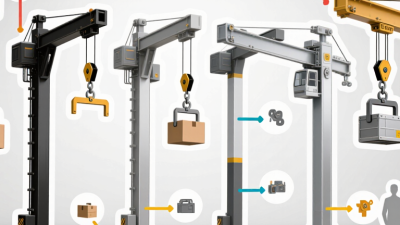
This qualitative scope map shows each standard’s primary equipment focus: ASME B30.17 for gantry cranes, B30.16 for hoists, and B30.20 for below-the-hook lifting devices. The standards can have overlapping scope, so confirm the current editions and applicable requirements for the crane configuration. Before choosing a model, check its rated capacity against the heaviest load, including rigging, and verify its duty rating, span, lift height, and operating environment.