
Top 10 Resilient Gate Valve Manufacturers for Global Buyers

Choosing a Resilient Gate Valve manufacturer is about more than comparing prices or catalog dimensions. Water utilities, industrial facilities, and infrastructure contractors need valves that suit their actual service conditions. A valve installed in a buried line faces different demands from one used in a treatment plant. Material selection, pressure rating, coating quality, and sealing performance all matter. Small details matter.

This guide reviews ten manufacturers through practical criteria: product range, manufacturing experience, quality documentation, testing practices, customization, and after-sales support. Buyers should look for clear specifications, traceable materials, and test records that match the offered valve. Ask about elastomer options, operating torque, corrosion protection, and spare-part availability. These details can affect installation time and long-term maintenance. A polished brochure alone proves little.

The manufacturers featured here serve different markets and project types, so the list should be treated as a starting point, not a universal ranking. Local service, delivery schedules, and project requirements can change which supplier is the best fit. Verify claims directly, and compare the same technical requirements across quotations. A shortlist helps, but it cannot replace due diligence. Even experienced teams can miss a mismatch when they focus only on price. Use the guide to ask sharper questions and identify manufacturers worth evaluating further.
Top 10 Resilient Gate Valve Manufacturers for Global Buyers

Resilient Gate Valves: Definition, Structure, and Operating Principles

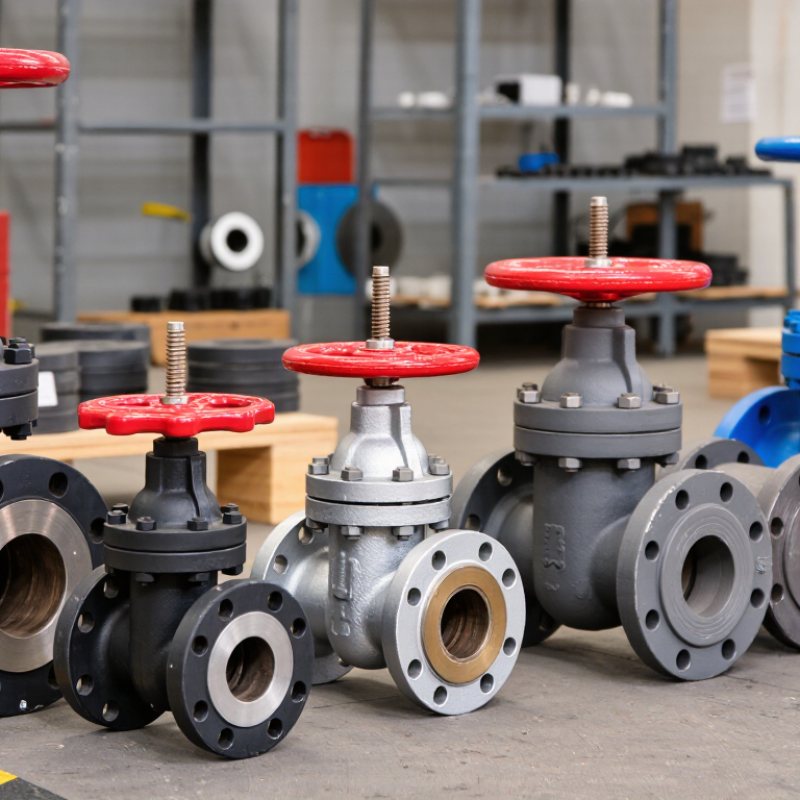
A resilient-seated gate valve uses a rubber-coated wedge to create a tight shutoff in water pipelines. Its main parts are a ductile-iron body, bonnet, stem, wedge, and operating nut or handwheel. In many designs, the elastomer covers the wedge’s sealing surfaces. This helps the wedge press evenly against the valve’s internal seats.

Turning the handwheel moves the stem and wedge down to close the valve. When fully open, the wedge lifts clear of the main flow path, limiting obstruction. Rising-stem designs show the stem moving upward; non-rising-stem designs keep it within the operating nut. The design is straightforward. But these valves are generally intended for isolation, not flow throttling: partly open operation can wear the sealing surfaces.

The AWWA C515 standard covers reduced-wall resilient-seated gate valves for waterworks service. It provides a useful technical reference when checking valve design and performance requirements. The U.S. EPA’s 2023 Drinking Water Infrastructure Needs Survey and Assessment estimates $625 billion in drinking-water infrastructure needs over 20 years. That figure is not valve-specific, but it shows why dependable isolation and maintainable components matter. Even a robust elastomer can age or become damaged, so material choice and operating conditions deserve careful review.

Key Materials, Standards, and Performance Requirements

A resilient gate valve starts with materials matched to the fluid, pressure, and temperature—not with a catalogue claim. Carbon steel is common for many utility and process services, while stainless steel can help resist corrosion. Chloride-rich fluids may require careful alloy selection; duplex grades can be considered, but they are not a universal fix. The body, wedge, stem, and trim should be checked as a system. A hard-faced seating surface may reduce wear, yet poor alignment can still cause leakage. Small details matter.

Standards help buyers compare designs and test evidence. Depending on valve type and service, specifications may reference API 600 or API 602 for design, ASME B16.34 for pressure-temperature ratings, and API 598 or ISO 5208 for inspection and pressure testing. Confirm the applicable edition and acceptance criteria in the purchase documents. Ask for material certificates, pressure-test records, and traceable inspection results. Then review operating torque, shutoff expectations, cycle frequency, and end connections against the actual installation. A valve that passes a shop test may behave differently after months of sediment, thermal cycling, or infrequent operation. No single standard covers every site condition; that gap deserves honest review.

How Global Buyers Can Evaluate Manufacturers

Global buyers evaluating resilient gate valve manufacturers should begin with the operating conditions, not a product catalogue. Define the fluid, pressure range, temperature, pipe size, and expected operating frequency. Ask manufacturers to explain how their design addresses corrosion, seat wear, and reliable shutoff. Look beyond polished brochures. Request test procedures, inspection records, and material certificates tied to specific components. These details make technical claims easier to verify and compare.

A factory visit or independent audit can reveal how parts are machined, assembled, and inspected. Request pressure-test results and clarify which tests apply to each valve size. Check whether delivery schedules include time for quality checks, export packing, and replacement parts. After-sales support matters when a valve sticks or leaks in service. No checklist is perfect. Paperwork can look complete while shop-floor practices vary, so buyers should confirm important claims through samples, audits, or references. A fair comparison may take longer than expected, especially when specifications differ. That extra effort can prevent costly mismatches between the valve and its actual duty.

Profiles of 10 Resilient Gate Valve Manufacturers

These ten profiles represent different strengths buyers may encounter when evaluating resilient gate valve manufacturers. An established waterworks supplier often emphasizes standardized dimensions, familiar pressure classes, and replacement-part availability. Ask for current test records. A vertically integrated producer may control casting, machining, and assembly, making process traceability easier to review. Its scale alone, however, does not prove consistent quality. An export-oriented manufacturer may offer broad documentation and shipping experience, but confirm that drawings match the supplied valve.

A coating-focused producer may detail rubber-bonding methods, surface preparation, and coating thickness. Those details matter when valves face repeated operation or buried installation. A large-diameter specialist can help with heavy-duty handling requirements; check lifting points and installation guidance. A compact-valve maker may suit tight utility chambers, where handwheel clearance is limited. An OEM supplier can provide flexible specifications, though buyers should clarify who controls design changes. Small details get missed.

An engineering-led manufacturer may support custom interfaces and review operating conditions before quoting. Request written limits for pressure, temperature, and media compatibility. A high-volume producer may offer competitive lead times, but inspect sampling plans and batch records. A service-oriented supplier may stand out through spare-part access and practical troubleshooting. Ask how quickly critical components can be identified. These profiles are not a substitute for factory audits or independent testing; even a well-presented catalogue can leave unanswered questions.

Common PN Pressure Designations for Resilient Gate Valves

A comparison of three commonly used nominal pressure designations. These values are not manufacturer-specific product ratings.

PN values indicate nominal pressure classes, not guaranteed maximum operating pressures. Confirm the applicable standard, temperature limits, and product data before selecting a valve.

Comparing Suppliers by Application, Certification, and Support

Top 10 Resilient Gate Valve Manufacturers for Global Buyers

Comparing Suppliers by Application, Certification, and Support

Gate valves serve different duties, so compare suppliers against the actual operating conditions. A water network may need resilient seating and reliable shutoff after long periods without use. Steam service calls for careful attention to pressure, temperature, materials, and test records. Abrasive media can wear internal surfaces faster than a product sheet suggests. Fit matters.

Check whether certifications match the valve type, materials, and intended market. Then review the supporting documents, including pressure-test reports, material traceability, and clear inspection records. A certificate alone is not proof that every delivered valve meets your project needs. Ask how production batches are identified and what checks happen before shipment.

Support can separate a workable supplier from a costly delay. Ask about spare-part availability, technical response times, installation guidance, and realistic delivery schedules. For a large order, clarify how changes or quality concerns will be handled. A spreadsheet can make suppliers look equally capable; it cannot show how promptly their teams respond when a valve arrives with a mismatch. That is worth testing. Request a sample document package and discuss one realistic service scenario before making a shortlist.