Essential Tips for Maintaining Your Steering Cylinder?
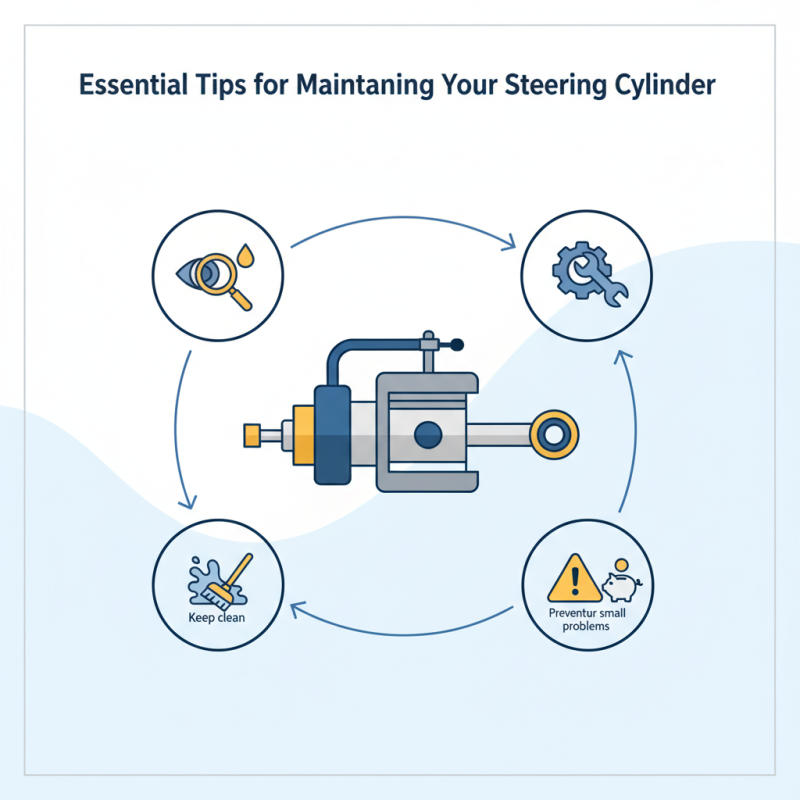
Maintaining your Steering Cylinder is vital for vehicle performance. A well-functioning steering cylinder ensures safe and smooth handling. Neglect can lead to excessive wear and potential failure.
Regular inspection is essential. Check for leaks, as hydraulic fluid loss can jeopardize function. Pay attention to any unusual noises during operation. These signs often indicate that something isn't right. Additionally, keep the area clean. Debris can cause damage.
Incorporating routine maintenance schedules helps prevent issues. Consider timely fluid changes to promote longevity. Don't overlook small problems, as they can escalate. Regular attention to your steering cylinder can save you money and headaches in the long run. By being proactive, you ensure that your vehicle responds as it should when driving.
Essential Components of a Steering Cylinder: A Technical Overview
The steering cylinder is a crucial part of any vehicle's steering system. It converts hydraulic pressure into mechanical movement. Understanding its essential components can greatly improve maintenance efforts.
A steering cylinder typically consists of a cylinder body, a piston, and seals. The cylinder body houses the piston, allowing it to move smoothly. Seals prevent fluid leaks, ensuring efficient operation. Over time, seals may wear out. This leads to fluid loss and reduced steering responsiveness. Regularly checking these components can help identify potential issues before they escalate.
Another critical aspect involves fluid quality. Using the right hydraulic fluid is vital. Contaminated fluid can damage the internal parts. It’s also important to monitor for leaks. Sometimes, a small drip can indicate a larger problem. Regular inspections can catch these signs early, preventing more severe failures later on. Being attentive can save time and money in the long run.
Essential Tips for Maintaining Your Steering Cylinder
This chart illustrates the frequency of essential maintenance activities for steering cylinders over a year. Regular inspection is the most critical aspect, while pressure testing is less frequently performed.
Common Issues in Steering Cylinder Maintenance and Their Solutions
Maintaining a steering cylinder is crucial for safe vehicle operation. Common issues often arise from neglect. Leaks can develop, leading to fluid loss and malfunction. Inspect your cylinder regularly for signs of oil patches. A small leak can turn into a major problem.
Another frequent issue is the buildup of dirt and debris. This can cause corrosion over time. Clean the steering cylinder with appropriate materials. Be cautious with harsh chemicals. They can damage the components. Regular cleaning can extend the life of your steering system.
Tips for maintenance include checking fluid levels consistently. Low fluid can cause system failure. Also, ensure the seals are intact. Replacing worn seals promptly can prevent bigger repairs. Lastly, listen for unusual noises when turning. These can indicate deeper issues that need immediate attention.
Best Practices for Inspecting and Servicing Your Steering Cylinder
Inspecting and servicing your steering cylinder is crucial for maintaining vehicle safety. Regular checks can prevent unexpected failures. Start with a visual inspection. Look for leaks or corrosion. Even small drips can indicate a significant problem. Pay attention to the hydraulic lines as well. Ensure they are intact and free from wear.
While performing maintenance, take the time to check the seals. Worn seals can lead to fluid loss and affect steering performance. Feel the steering responsiveness. Any abnormal stiffness or looseness should raise alarms. Often, we overlook the importance of routine grease applications. Apply grease to enhance the system’s efficiency and longevity.
Keep a record of all inspections and services. This documentation can help identify patterns over time. Reflect on past checks to improve future maintenance routines. Not every inspection will reveal issues, but consistency is key. Skipping these steps may lead to costly repairs later on.
Impact of Regular Maintenance on Steering Cylinder Lifespan and Performance
Regular maintenance of your steering cylinder is crucial. Neglect can lead to early failures and costly repairs. Checking fluid levels and inspecting for leaks should be routine tasks. Ignoring these steps can result in impaired steering response. Even a small issue can escalate quickly if not addressed.
The benefits of consistent care are significant. A well-maintained cylinder enhances vehicle control and safety. It helps prevent excessive wear on other components. This reduces the chances of unexpected breakdowns. But many overlook this focus. Routine checks take time, and some might underestimate their importance.
While maintenance schedules may seem tedious, they play a vital role. A clean, well-lubricated steering cylinder performs far better. This ensures longevity and saves on expenses in the long run. Skipping these can lead to inconvenient failures. Regular upkeep fosters a smoother driving experience and preserves the cylinder's integrity.
Industry Standards for Steering Cylinder Maintenance and Safety Compliance
Maintaining steering cylinders is critical for safety. Proper maintenance ensures equipment operates smoothly and efficiently. Regular inspections are key. Look for signs of wear and leaks. If you notice any irregularities, it is essential to address them immediately. A small leak can lead to bigger problems down the line.
Industry standards guide us on best practices. They recommend that steering cylinders be serviced every 500 hours of operation. This includes checking hydraulic fluid levels, replacing seals, and inspecting connections. If maintenance is neglected, accidents can happen. Non-compliance can also lead to significant fines. Careless oversight may result in severe damages.
Moreover, training personnel in maintenance protocols is necessary. Understanding safety compliance can prevent failures. It's not only about fixing what's broken; it's about ensuring long-term reliability. Mistakes can happen, and it’s vital to learn from them. Regular evaluations and feedback loops can greatly enhance maintenance practices. Keeping records of maintenance activities creates accountability.
Essential Tips for Maintaining Your Steering Cylinder
| Maintenance Tip | Frequency | Inspection Method | Compliance Standard |
| Check for leaks | Monthly | Visual Inspection | ISO 9001 |
| Inspect hoses and fittings | Quarterly | Visual Inspection | SAE J517 |
| Check fluid levels | Bi-Weekly | Dipstick Measurement | DIN 14540 |
| Test cylinder operation | Annually | Functional Test | ANSI/ISO 4413 |
| Replace seals and O-rings | Every 2 Years | Component Inspection | NFPA T3.6.6 |