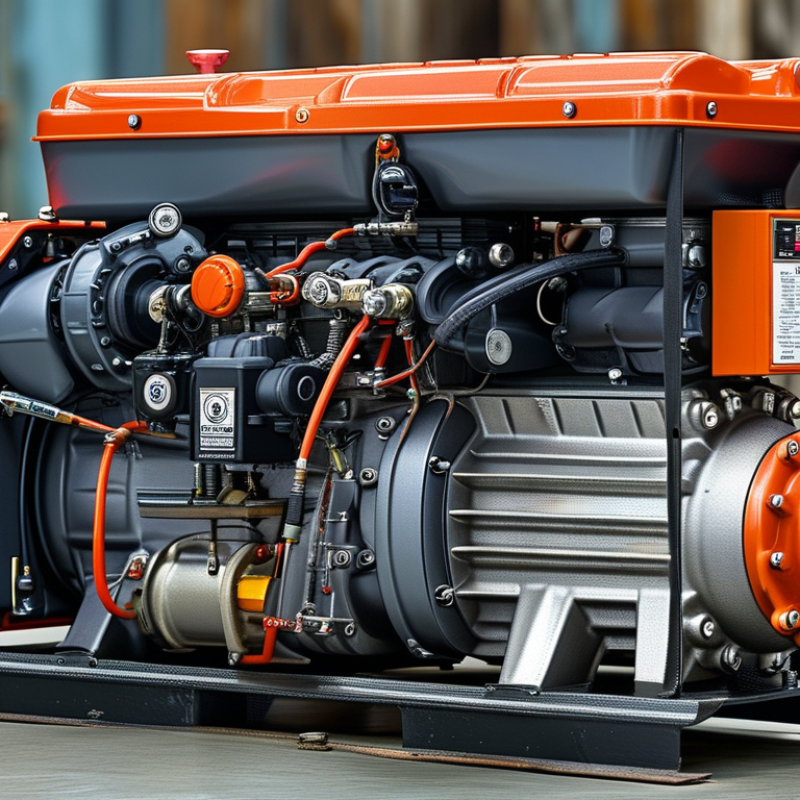
How to Choose the Best Generator Pump for Your Needs?
Choosing the best generator pump can be a daunting task. With multiple options available, making the right choice is essential. A generator pump is crucial for various tasks, from boosting water supply to sewage management. Understanding your needs will help you select the ideal pump for your situation.
Generator pumps serve different purposes. Whether you need a pump for construction, emergency situations, or agricultural use, the performance matters. Look for models with reliable power sources and efficiency ratings. Always consider the flow rate and pressure, essential for specific applications.
It is important to research brands and customer reviews. Some might claim advanced features that may not deliver as promised. Test your options when possible. A solid generator pump can make your life easier, but choosing the wrong one can be a frustrating experience. Don't rush; take the time to evaluate what truly meets your needs.
Understanding Generator Pumps: Types and Their Applications
Generator pumps come in various types, each suited for specific tasks. Understanding these types is crucial for making informed decisions. There are primarily three types: centrifugal, diaphragm, and submersible pumps. Centrifugal pumps are widely used for water transfer and irrigation. They excel in moving large volumes of water efficiently. According to industry reports, they can achieve flow rates exceeding 1,000 gallons per minute.
Diaphragm pumps, on the other hand, provide versatility. They handle viscous fluids and solid-laden liquids. This makes them ideal for waste management and chemical transfer. Their flow rates typically vary between 10 to 200 gallons per minute. Users should consider maintenance requirements. Over time, diaphragm pumps may show wear, affecting performance.
Submersible pumps are designed for underwater use. They are excellent for drainage, sewage systems, and deep well applications. These pumps often operate at depths of 20 to 200 feet. Their power consumption can be significant, raising cost concerns for long-term users. Understanding the operational environment and energy efficiency are crucial factors to consider. Making the right choice involves balancing performance with your specific needs.
Key Factors to Consider When Choosing a Generator Pump
Choosing the right generator pump involves several important factors. Begin by assessing your specific needs. Consider the type of fluid you'll be pumping. Some pumps handle clean water, while others manage mud or chemicals. Determine the flow rate required for your tasks. A higher flow rate can save time but may come with compromises in other areas.
Next, evaluate the pump's power source. Some generators operate on gasoline, while others use diesel or electricity. Each power source has its advantages and drawbacks. For instance, electric pumps are quieter but reliant on a power source. In contrast, gasoline options provide mobility but may be less efficient. Think about your working environment, too. For remote locations, a portable pump that runs on gasoline might be most effective.
Don't overlook durability and maintenance. Examine materials used in construction. High-quality materials extend the lifespan of the pump. However, ensure you understand the maintenance requirements as well. A pump that’s difficult to maintain might lead to frustrations over time. It's essential to reflect on these choices now to avoid larger issues down the road. Each decision has implications that affect both performance and reliability.
Assessing Your Power Needs for Effective Pump Selection
Assessing your power needs is a crucial step in selecting the right generator pump. Begin by identifying the specific tasks you require the pump for. Different pumps serve varied purposes, such as draining water or providing irrigation. Every task has a distinct power requirement. Make a list of all devices you plan to use with the pump. Add together their wattages for a comprehensive total.
Consider the environment where the pump will be used. If you need a portable option, weight and size matter. If it’s for a fixed location, durability becomes essential. Assessing the terrain is equally important. Uneven ground may necessitate a rugged design. Pay attention to fuel types as well. Gasoline and diesel pumps differ significantly in efficiency and availability. Understanding these factors can help clarify your choices.
Don’t overlook potential growth in your power needs. Anticipate future requirements to avoid frequent upgrades. This foresight can influence your decision. It’s wise to consult experts or review reliable resources before making a final choice. Making uninformed decisions might lead to costly mistakes. Investing the time to evaluate your needs upfront pays off in the long run. Be thorough yet flexible in your planning to ensure you select the best generator pump for your unique situation.
Evaluating Performance Ratings and Durability of Generator Pumps
When choosing a generator pump, performance ratings and durability stand out as key factors. Performance ratings reflect how well the pump operates under specific conditions. Look for measurements such as flow rate and pressure. These ratings help predict how the pump will perform in your unique situation. For example, if you need to move large volumes of water, a higher flow rate is essential.
Durability is equally crucial. A robust build ensures the pump can withstand harsh conditions. Materials used in construction play a significant role. Corrosion-resistant components can extend the life of the pump. You may consider how frequently you will use the pump and in what environment. If it’s for regular heavy-duty use, investing in a more durable model makes sense.
However, one must be cautious. Sometimes, higher-rated models come at a premium. It is wise to consider the long-term value versus initial cost. Reading reviews can provide insights into real-world experiences. This approach helps identify potential issues not covered in the specifications. Remember, a high performance rating alone doesn't guarantee reliability. Balancing these factors is key to finding the right generator pump.
Final Considerations: Budget and Maintenance for Generator Pumps
When considering a generator pump, budget plays a crucial role. It’s essential to set a realistic budget that suits your financial capacity. A reliable pump often costs a bit more, but the savings on maintenance can be significant over time. Cheaper options may seem attractive, but they may lack the durability and efficiency you need. Always weigh the upfront cost against long-term value.
Maintenance is another vital consideration. Regular checks can prevent costly repairs. A well-maintained pump runs efficiently and has a longer lifespan. Look for pumps with easy-access components. This design will simplify maintenance tasks. You might find that some models require more attention than others. Keeping an eye on filters and seals can save you from bigger issues down the road.
Reflect on your specific needs. Not everyone requires a heavy-duty pump. If your projects are small, a less robust option may suffice. But, if you expect heavy use, investing in a higher-end model is wise. Pay attention to user reviews. They often reveal concerns that specifications don’t cover. Understanding potential drawbacks allows you to make a more informed choice.
How to Choose the Best Generator Pump for Your Needs? - Final Considerations: Budget and Maintenance for Generator Pumps
| Model | Power Output (W) | Max Flow Rate (GPM) | Fuel Type | Price Range ($) | Maintenance Frequency |
| Model A | 5000 | 10 | Gasoline | 500 - 700 | Every 50 hours |
| Model B | 7000 | 15 | Diesel | 800 - 1000 | Every 100 hours |
| Model C | 4000 | 8 | Propane | 400 - 600 | Every 75 hours |
| Model D | 6000 | 12 | Gasoline | 600 - 800 | Every 50 hours |