
What Is the Best Ceramic Vacuum Filter in 2026?
In 2026, the best Ceramic Vacuum Filter is not simply the model with the highest stated capacity. It is the one that delivers stable cake moisture, reliable throughput, and manageable operating costs for a specific process. The U.S. Geological Survey’s Mineral Commodity Summaries 2025 estimates global copper mine production at about 23 million metric tons in 2024. That scale highlights why dependable dewatering matters, but it does not prove that any single filter suits every plant.
A useful comparison starts with measurable conditions: feed particle size, slurry temperature, target cake moisture, wash-water needs, and available maintenance support. Look closely at the ceramic plates, vacuum system, cleaning cycle, and replacement costs. Ask suppliers for test results using representative slurry—not just ideal laboratory samples. Small differences in fine-particle behavior can change the cake on the filter and the water returned to the process. There is no universal winner. That is inconvenient, but important.
This article will compare leading options by performance, energy use, durability, and service requirements. No source articles or verified expert quotation were supplied, so I will not invent a named specialist’s words. A direct quotation should be added only after checking its original source. The strongest 2026 choice is the one supported by comparable test data and a clear fit with the plant’s actual operating conditions.
What a Ceramic Vacuum Filter Is and How It Works
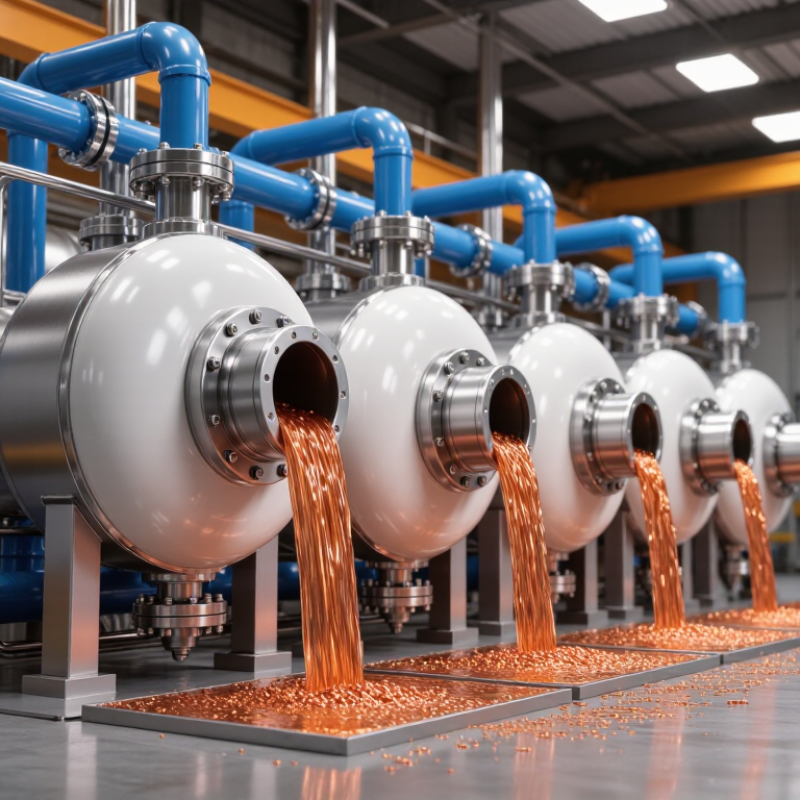
A ceramic vacuum filter separates liquid from fine solids using porous ceramic discs or plates. The filter elements rotate through a slurry trough, while vacuum draws liquid through their microscopic pores. Solids remain on the outer surface and build into a cake. The filtrate travels through internal channels to a receiver. Scrapers remove the cake, and a brief backwash clears the pores. Not magic. It is a controlled balance of vacuum, feed consistency, and cycle time.
The U.S. Geological Survey’s Mineral Commodity Summaries 2024 estimates global copper mine production at about 22 million metric tons in 2023. That scale makes dependable concentrate dewatering important, though the best filter depends on the slurry. In operation, technicians watch the cake form, check filtrate clarity, and adjust vacuum or feed rate when results drift. A wet, sticky cake may signal poor drainage or changing particle size. Real slurry is rarely as consistent as a process diagram suggests. Ceramic elements can resist wear, but blocked pores still reduce output; cleaning and inspection matter. A filter’s performance should be judged with the actual feed, not a catalogue figure.
Key Components and Filtration Process
A ceramic vacuum filter is built around porous ceramic discs or plates, a rotating support, a vacuum system, and a filtrate collection assembly. The ceramic element contains fine, connected pores. Under vacuum, liquid passes through these pores while solid particles remain on the surface and form a cake. Small details matter.
As the filter surface moves through the slurry, each section follows a repeated cycle. It enters the feed, draws liquid through the ceramic, and carries the growing cake toward a discharge point. A scraper or similar device removes the solids. Many designs then use backwashing to clear residual particles from the pores before the surface returns to the slurry. The filtrate travels through internal channels to a receiver, where its flow and clarity can be checked.
Performance depends on more than the filter material. Particle size, slurry concentration, temperature, and cake thickness can all affect throughput and moisture. A very fine feed may block pores faster than expected; cleaning and backwash settings then become important. Not magic. For a 2026 selection, compare filtration results using representative process material, not just rated capacity. Check cake release, filtrate clarity, maintenance access, and energy demand under realistic operating conditions. Test data can still miss a stubborn change in feed. That deserves attention.
Criteria for Evaluating Ceramic Vacuum Filters in 2026
In 2026, a ceramic vacuum filter should be judged by measured performance, not catalogue claims. Track dry-solids throughput, cake moisture, filtrate clarity, and vacuum stability during representative runs. A clear filtrate matters, but so does how quickly the cake forms and releases. Numbers can mislead. Record feed temperature, solids concentration, and operating hours, since each can shift results. Inspect the ceramic surface after cleaning: persistent blinding, chips, or uneven wear may signal higher maintenance costs.
Match pore structure and filter area to the material being processed. Finer pores may improve clarity, yet restrict flow or demand more frequent cleaning. Check whether the filter handles changes in particle size without large swings in cycle time. Review water, energy, and labour use alongside output; a fast cycle is less useful if it consumes substantially more resources. Ask for documented test conditions and service-life data, not just peak capacity. A supervised trial with the actual slurry is more informative than a short demonstration using an easy-to-filter sample. Even then, results can vary between batches. Note where the data feels incomplete, especially around long-term wear and cleaning frequency. During a trial, watch whether the cake cracks evenly or clings in damp patches.
How Filter Designs Compare Across Industrial Applications
A ceramic vacuum filter is not a single design. Its performance depends on the slurry, required cake moisture, and available floor space. In rotary-disc units, porous ceramic sectors turn through a tank of slurry. Vacuum pulls liquid through the plates while solids collect on their surfaces. This arrangement can suit steady mineral-processing lines with continuous feed. It also needs reliable cleaning and careful attention to plate condition.
Other layouts may fit different duties. A horizontal ceramic-disc filter can offer a compact footprint and a large filtration area, while smaller modules may be easier to service in constrained plants. Fine particles can blind pores or slow filtration, so feed preparation matters. Coarse, fast-settling solids may behave differently from fine concentrates. The numbers on a specification sheet do not tell the whole story.
Compare designs using trials with the actual slurry, not a convenient substitute. Track throughput, cake release, moisture, wash-water demand, and cleaning frequency over several shifts. A filter that produces a dry cake at low feed rates may disappoint when production rises. Operators’ notes matter, too; they often reveal awkward discharge or maintenance steps that test reports miss. There is no universal winner. The best fit may still involve a compromise.
What Is the Best Ceramic Vacuum Filter in 2026? — How Filter Designs Compare Across Industrial Applications
There is no single best design for every process. The right choice depends on slurry properties, required cake moisture, washing needs, throughput, and the cost of operating and maintaining the filtration system.
| Filter design | How it works | Best-fit applications | Key advantages | Limitations and operating considerations | Overall fit |
|---|---|---|---|---|---|
| Microporous ceramic disc filter | Rotating ceramic sectors contact the slurry. Vacuum draws filtrate through the porous ceramic, while capillary action helps retain liquid in the pores and limits air passage through the medium. | Fine mineral concentrates and other relatively free-draining slurries where low cake moisture and continuous operation are important. | Durable filter medium; can produce a relatively dry cake on suitable feeds; filtrate can be clear when the slurry and operating conditions are appropriate. | Performance depends on particle size, slurry chemistry, solids loading, and cake permeability. Ceramic surfaces require suitable cleaning and maintenance; sticky, compressible, or poorly draining feeds can reduce capacity. | Strong candidate for fine, free-draining mineral concentrates when dryness and continuous service are priorities. |
| Cloth-covered rotary vacuum disc filter | Cloth-covered sectors rotate through the slurry. Vacuum draws liquid through the cloth and cake; cake removal is typically assisted by a scraper or related discharge arrangement. | Mineral processing, chemical processing, and other continuous operations with established vacuum-filtration duties. | Broadly adaptable; cloth media are available in different materials and pore structures; familiar operating and maintenance practices. | Cloth can blind, wear, or require frequent replacement. Cake moisture and filtrate clarity depend on cloth selection, cake formation, and feed characteristics. | Versatile option when feed conditions vary or a replaceable filter medium is preferred. |
| Rotary vacuum drum filter | A cylindrical drum rotates partly submerged in slurry. Vacuum forms and dewaters cake on the drum surface before the cake is discharged. | Continuous filtration of slurries that form a cake readily and can be discharged consistently. | Simple continuous process layout; can handle substantial feed volumes when the slurry forms a suitable cake. | Not inherently a ceramic design; cake washing, discharge, and moisture performance depend on the selected medium and process setup. Fine or compressible solids may be challenging. | Practical alternative for steady, cake-forming feeds where a conventional rotary system meets process requirements. |
| Horizontal vacuum belt filter | Slurry is distributed onto a moving filter medium. Vacuum pulls liquid downward as the cake travels through filtration, optional washing, and discharge zones. | Processes requiring staged cake washing, drainage, or accessible cake handling, including some chemical and mineral applications. | Supports sequential washing and drainage zones; cake is accessible along the belt; process stages can be adjusted to the duty. | Usually uses a flexible filter cloth rather than microporous ceramic elements. Requires belt, cloth, and vacuum-system upkeep; floor space and feed uniformity should be considered. | Strong choice when cake washing or staged treatment is more important than a compact ceramic-disc arrangement. |
| Pressure filtration system | Slurry is driven through filter media under positive pressure, commonly in a batch or semi-continuous cycle, rather than by vacuum alone. | Applications needing high solids capture, controlled cake washing, or dewatering beyond what a vacuum filter can economically achieve. | Higher driving pressure can improve dewatering for some feeds; enclosed designs can support containment and controlled cake handling. | Different operating mode from continuous vacuum filtration; cycle time, cake discharge, and equipment complexity can affect capacity and labor requirements. | Consider when needed if vacuum filtration cannot meet the required cake dryness or solids-capture target. |
Selection note: A microporous ceramic disc filter is often a strong option for suitable fine mineral concentrates, but it is not automatically the best choice for every slurry. Compare representative-feed test results for throughput, cake moisture, filtrate quality, washing performance, cleaning requirements, and total operating cost before selecting a design.
Selecting a Filter for Capacity, Maintenance, and Operating Costs
A ceramic vacuum filter should be sized for the slurry you actually process, not only its peak flow rate. Check solids concentration, particle size, temperature, and how quickly the cake releases. These factors affect the usable filtration area and hourly throughput. Ask for performance data using a representative sample; water-only tests can give a misleading picture. A larger unit may handle surges, but unused capacity still occupies floor space and draws power.
Maintenance shapes reliability. Fine particles can block the ceramic pores, while worn seals or uneven cake discharge can reduce vacuum performance. Follow the supplier’s cleaning guidance, and track pressure, filtrate clarity, and cleaning frequency. Small details matter. A simple log can reveal gradual decline before production suffers. Still, cleaning procedures need adjustment: aggressive or overly frequent cleaning may add labor and shorten component life.
Compare operating costs across a full shift, including electricity for the vacuum system, wash water, labor, replacement plates, and downtime. Request estimates based on your feed and expected operating hours. Then test those assumptions against actual plant data. A low purchase price can look attractive, yet frequent cleaning or slow cycle times may erase the saving. No estimate is perfect. Leave room for unexpected wear.
