
Why Choose Permanent Hair Removal Devices?
Permanent Hair Removal devices appeal to people tired of daily shaving, razor bumps, and recurring salon appointments. The market is expanding: Grand View Research estimated the global laser hair removal market at about $1.08 billion in 2023 and projected continued growth through 2030. That figure describes commercial demand, not proof that every home device works equally well. Device type, energy level, skin tone, hair color, and consistent use all affect results.
Clinical guidance also calls for realistic expectations. Dermatologist Dr. Seemal Desai’s practical takeaway is that laser treatment should be understood as long-term hair reduction, not a guarantee of zero regrowth. Hair grows in cycles, so treatment usually takes multiple sessions. A missed patch can remain visible; lighter hairs may respond less reliably. Small details matter.
Choosing a device means weighing more than its price tag. Check its stated skin-tone and hair-color compatibility, safety features, treatment schedule, and aftercare instructions. The American Academy of Dermatology advises that laser hair removal requires expertise and can cause side effects, including burns or changes in skin color, when performed improperly. At-home devices are not interchangeable with professional systems, and manufacturer claims deserve careful scrutiny. A patch test may help identify irritation, but it cannot guarantee a risk-free result. Permanent Hair Removal can offer convenience and lasting reduction for suitable users, yet “permanent” should not be read as “every hair gone forever.” That distinction is easy to overlook.
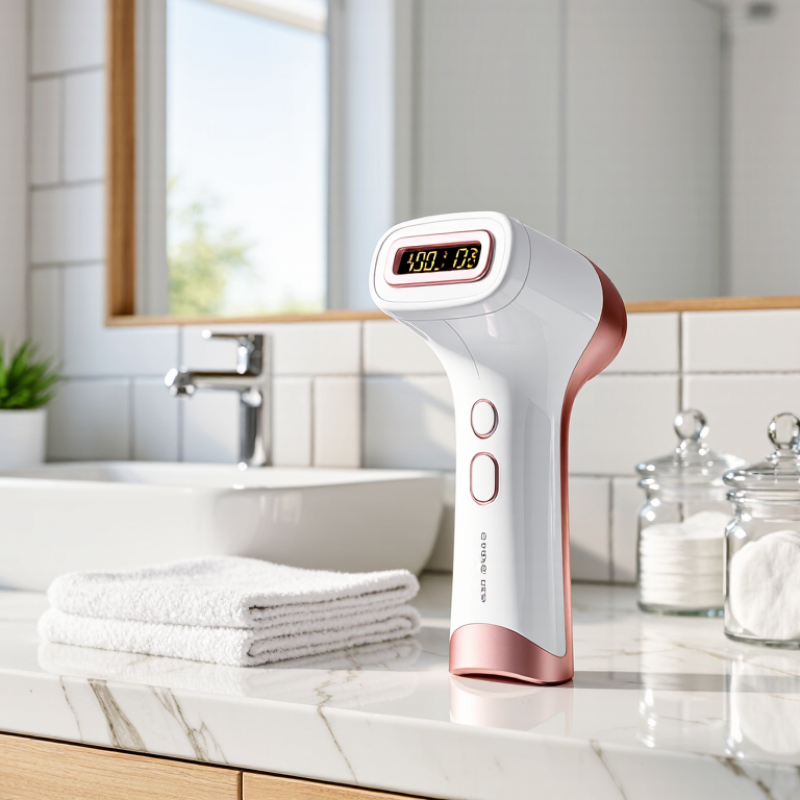
Understanding Permanent Hair Removal Devices
Permanent hair removal devices use different methods, and the word “permanent” can sound more certain than the results. Laser and intense pulsed light (IPL) direct energy toward pigment in the hair, heating follicles and reducing future growth. Their effectiveness depends partly on hair color, skin tone, and the device used. Neither method treats every follicle at once. Hair grows in cycles, so repeated sessions, spaced over time, are usually needed. Some regrowth may be finer or lighter. Results vary.
Electrolysis works differently. A trained practitioner treats individual follicles with a fine probe and electrical current, which can make it suitable for hair colors that light-based devices may not target well. It can take patience, especially across larger areas. Home IPL devices typically require consistent use according to their instructions. Test a small area first, and avoid treating irritated or recently tanned skin. Eye protection may be required. If you have a skin condition, take medication that increases light sensitivity, or are unsure whether a device suits you, ask a qualified clinician. Missed treatments and hormonal changes can affect results. Even careful routines are not always perfect.
How Permanent Hair Removal Devices Work
Permanent hair-removal devices use light energy to target pigment in the hair shaft and follicle. Laser devices deliver a specific wavelength; intense pulsed light (IPL) uses a broader band of light. The pigment absorbs this energy, which becomes heat and can disrupt the follicle’s ability to produce hair. The surrounding skin also absorbs some energy, so settings must suit skin tone and hair characteristics.
Darker, coarse hair often responds better than very light, gray, or red hair. Results vary.
Timing matters. Hair grows in cycles, and light treatments work best when hairs are in an active growth phase. That is why several sessions, spaced weeks apart, are usually needed.
The American Society of Plastic Surgeons’ 2023 procedural statistics recorded roughly 3.1 million laser hair-removal procedures, showing how widely the treatment is used—not that it works equally for everyone.
“Permanent” can be misleading. The FDA describes the intended outcome as long-term, stable hair reduction, rather than a guarantee that every hair disappears forever.
A careful consultation helps assess risks, settings, and realistic expectations. Some details can still be hard to predict.
Main Types of Hair Removal Technologies
Permanent hair removal devices use different forms of energy, and the technology matters. Laser systems deliver a concentrated wavelength to pigment in the hair follicle. Alexandrite, diode, and Nd:YAG lasers differ in wavelength and skin-tone suitability; darker skin generally needs careful settings and experienced supervision. The American Academy of Dermatology says many patients need two to six laser treatments. Results vary with hair color, body area, and hormones. It is hair reduction, not a promise that every follicle stays inactive.
Intense pulsed light (IPL) uses filtered, broad-spectrum flashes rather than one laser wavelength. It can cover a larger patch quickly, but results depend heavily on device settings and contrast between skin and hair. Electrolysis takes a different route: a fine probe treats individual follicles with electrical energy. It is slower, yet it can work on light-colored hairs that respond poorly to pigment-targeting light. Small areas take patience. That part is easy to underestimate.
The U.S. Food and Drug Administration distinguishes “permanent hair reduction” from complete removal: the term refers to a lasting decrease in regrowing hairs, assessed over six, nine, and twelve months after treatment. That definition is a useful reality check. A 2–6-session estimate is only a starting point; maintenance may still be needed, and I’d question any device claim that promises identical results for every skin and hair type.
Why Choose Permanent Hair Removal Devices? - Main Types of Hair Removal Technologies
| Technology | How It Works | Hair and Skin Suitability | Typical Results and Treatment Pattern | Main Advantages | Limitations and Safety Notes |
|---|---|---|---|---|---|
| Alexandrite laser | Uses a 755 nm laser wavelength. Light absorbed by pigment in the hair is converted to heat, which can damage the follicle and reduce future growth. | Often effective for dark hair on lighter skin tones. Suitability depends on skin tone, hair characteristics, device settings, and professional assessment. | Usually requires a series of treatments because hairs grow in cycles. Long-term hair reduction is common, but maintenance may be needed. | Can treat relatively large areas quickly and is effective when there is strong contrast between hair and skin pigment. | Greater risk of burns or pigment changes on tanned or darker skin if the wavelength or settings are unsuitable. It generally works poorly on white, gray, very blonde, or red hair. |
| Diode laser | Uses laser light commonly in the approximately 800–810 nm range to heat pigment in the hair follicle. | Can be used across a range of skin tones with appropriate equipment and settings. Dark, coarse hair typically responds better than light or fine hair. | Multiple sessions are normally needed; results are generally described as long-term hair reduction rather than guaranteed removal of every hair. | Versatile for many body areas and hair types, particularly when treatment is matched carefully to the individual. | Results and comfort vary by device and operator. Incorrect settings or treating recently tanned skin can increase the risk of skin injury or pigment changes. |
| Nd:YAG laser | Uses a longer wavelength, commonly 1064 nm, which penetrates more deeply and is less strongly absorbed by epidermal melanin than shorter-wavelength lasers. | Often selected for darker skin tones when performed by a qualified professional. It is generally most effective on coarse, dark hair. | A course of treatments is usually required, and periodic maintenance may be needed to manage regrowth. | Can be a suitable laser option for a wider range of skin tones when chosen and operated appropriately. | May be less effective on fine hair. Treatment can be uncomfortable, and safe results depend on correct settings and professional assessment. |
| Intense pulsed light (IPL) | Uses filtered, broad-spectrum pulses of light rather than a single laser wavelength. Pigment in the hair absorbs the light and converts it to heat. | Typically works best on dark hair and lighter, untanned skin. Suitability varies by device; light-colored hair often responds poorly. | Several sessions are generally needed. Results are usually described as long-term hair reduction, with possible regrowth and maintenance treatments. | Can cover larger areas efficiently. Some home-use devices are available, subject to their instructions and suitability guidance. | Less selective than a single-wavelength laser. Incorrect use can cause burns or pigment changes; follow device instructions and avoid treating unsuitable skin or hair types. |
| Electrolysis | A fine probe is inserted into an individual follicle and an electrical current is used to destroy its growth cells. | Can treat a broad range of hair colors and skin tones because it does not rely on hair pigment. It is performed follicle by follicle. | Repeated appointments are commonly needed to treat hairs at different growth stages. It is recognized as a method of permanent hair removal when follicles are successfully treated. | Can be considered for light-colored hairs that do not respond well to light-based methods, as well as small areas or individual hairs. | Usually slower for large areas and dependent on practitioner skill. Temporary redness or tenderness can occur; poor technique may cause skin injury or scarring. |
Important: Light-based treatments generally provide long-term hair reduction, not a guarantee that all hair will be permanently removed. Results vary with hair color and thickness, skin tone, treatment area, hormones, device settings, and treatment schedule. Seek a qualified professional for personalized assessment, especially if you have a darker skin tone, a skin condition, or a history of pigment changes.
Benefits and Limitations of Permanent Hair Removal
Permanent hair removal devices can reduce the time spent shaving or waxing, but “permanent” does not always mean every hair disappears forever. Laser and light-based devices target pigment in hair follicles. Because hair grows in cycles, treatment usually takes repeated sessions, with maintenance sometimes needed later. Results can vary with hair color, skin tone, hormones, and the device used. Dark, coarse hair often responds better than pale, gray, or red hair. Small patches may be easier to track than a large area.
That takes patience. A missed session can make progress harder to judge. Some people notice redness, warmth, or temporary skin irritation after treatment. Incorrect settings or use on unsuitable skin can cause burns or pigment changes, so check whether the device is appropriate for your skin tone and follow its safety instructions closely. Avoid treating irritated or recently sun-exposed skin, and keep light away from the eyes. If you have a skin condition, take medication that increases light sensitivity, or feel unsure, ask a qualified healthcare professional before starting. Results are not always neat or predictable; even careful use may leave scattered hairs that need other forms of removal.
Safety, Suitability, and Treatment Considerations
Permanent hair-removal devices can reduce regrowth, but “permanent” does not mean every hair disappears forever. The American Society of Plastic Surgeons’ 2023 procedural statistics recorded about 1.1 million laser hair-removal procedures in the United States. That figure shows use, not proof that every device or treatment works equally well. Suitability depends on skin tone, hair pigment, device type, and correct settings.
Hair and skin contrast affects how light-based devices target follicles. Darker skin can need carefully selected settings to reduce burn or pigment-change risks; pale, grey, red, or very light blonde hair may respond poorly. Not for everyone. The American Academy of Dermatology advises that laser treatments commonly require multiple sessions, often spaced four to six weeks apart. A small patch test and proper eye protection matter, even when a device seems straightforward. Avoid treating tattoos, irritated skin, or recently tanned areas unless a qualified clinician advises otherwise.
At-home devices usually require repeated use and maintenance, and results may be slower than professional treatment. Check the device instructions and seek medical advice if you have a skin condition, take photosensitizing medication, or are unsure about a changing mole. One easy-to-miss detail: settings are not interchangeable across skin areas. I would treat any advertised result as an estimate, not a promise; published procedure counts cannot predict an individual outcome.
Why Choose Permanent Hair Removal Devices? — Safety, Suitability, and Treatment Considerations
Understanding the hair-growth cycle helps explain why treatment often requires multiple sessions.
How to interpret this: These are typical estimates for scalp hair; durations vary by person and body area. Laser treatment works best on pigmented hairs in the active growth phase, so repeat sessions are commonly needed. Laser devices are intended for long-term hair reduction, not guaranteed permanent removal. Electrolysis can permanently remove treated hairs. Suitability and safety depend on factors including skin tone, hair color, device type, and operator expertise; seek qualified advice and follow eye-protection guidance.
